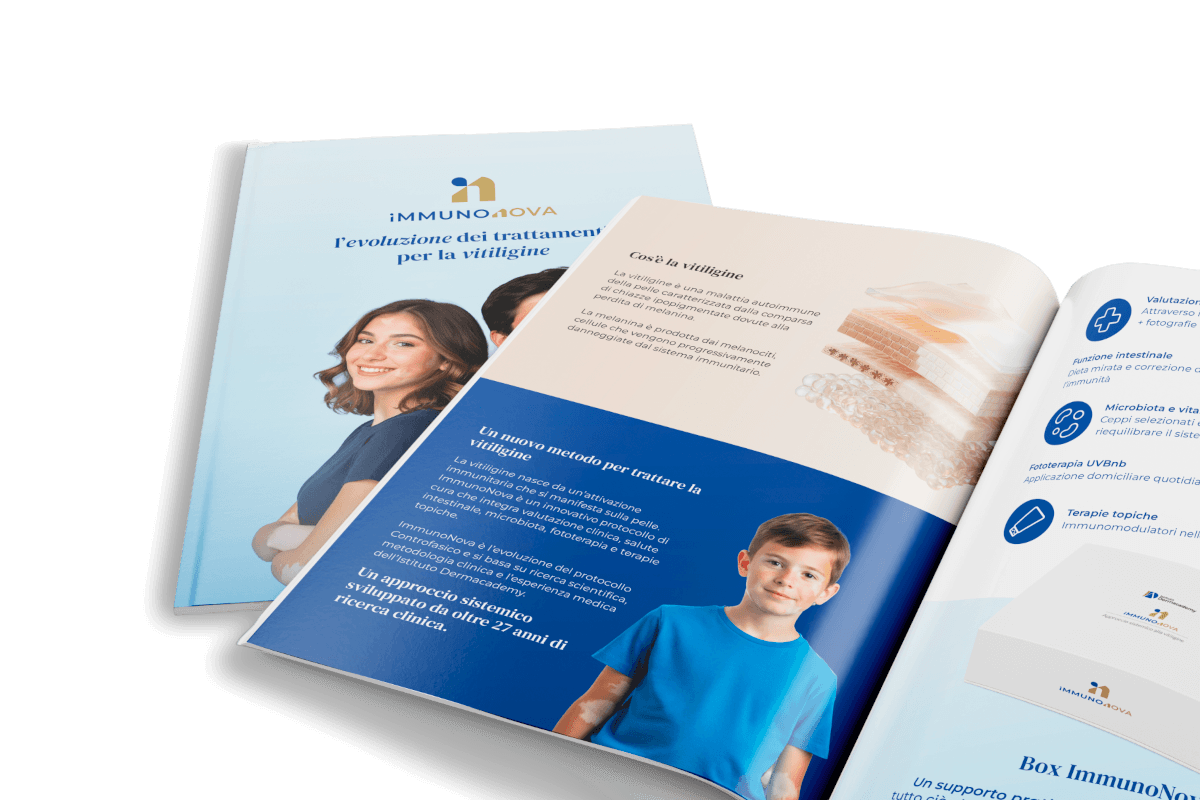

Immunonova - Logo ImmunoNova

Vitiligo is not merely a skin alteration:

it is an autoimmune disease in which the immune system attacks melanocytes, the cells responsible for pigmentation.

Vitiligo is not merely a skin alteration: it is an autoimmune disease in which the immune system attacks melanocytes, the cells responsible for pigmentation. For this reason, acting only on the skin is not enough to stop the progression of the disease or reduce the risk of new patches.
The ImmunoNova Protocol was created with the goal of addressing the underlying causes, integrating accurate diagnostic tools and coordinated therapies that rebalance the immune system, promote repigmentation, and reduce relapses.

Its structure is based on five pillars:

01

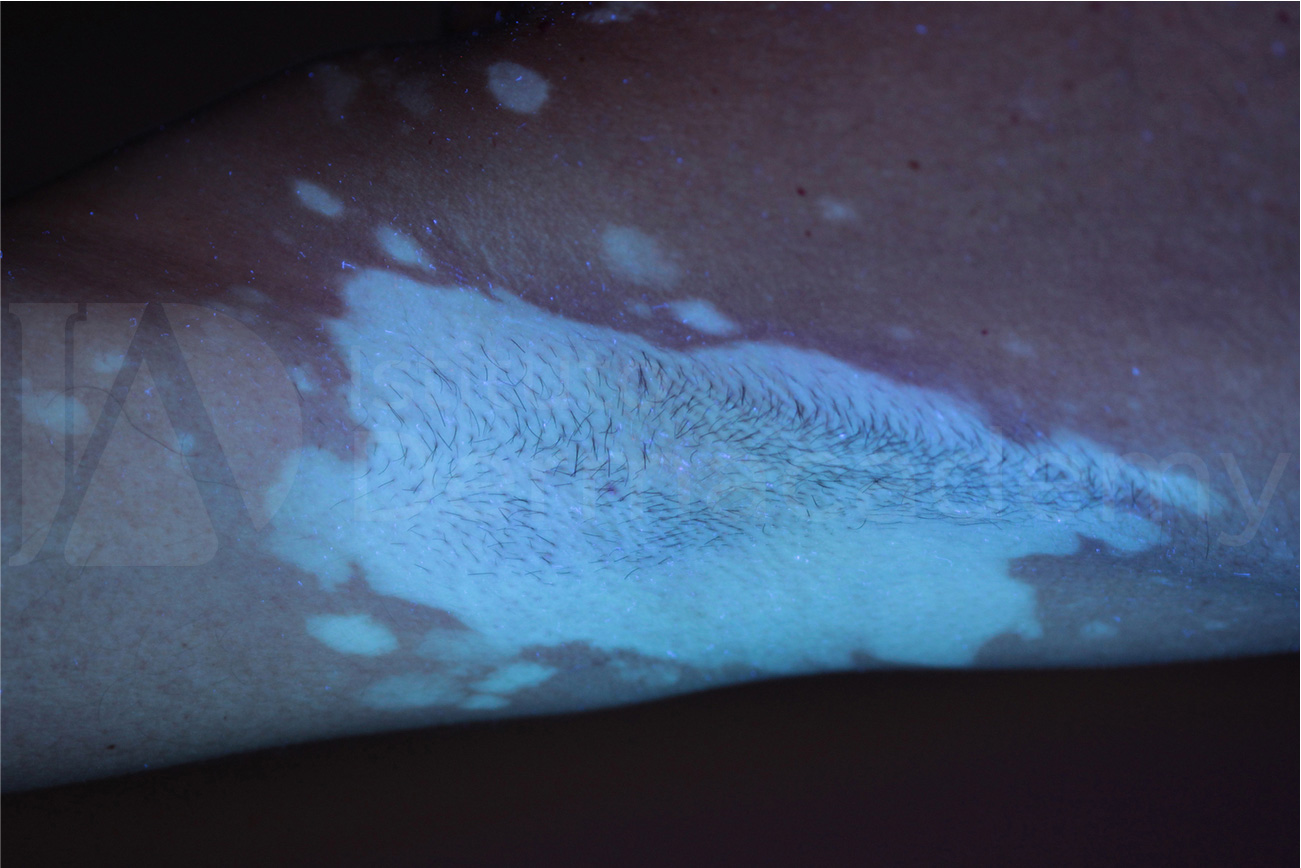
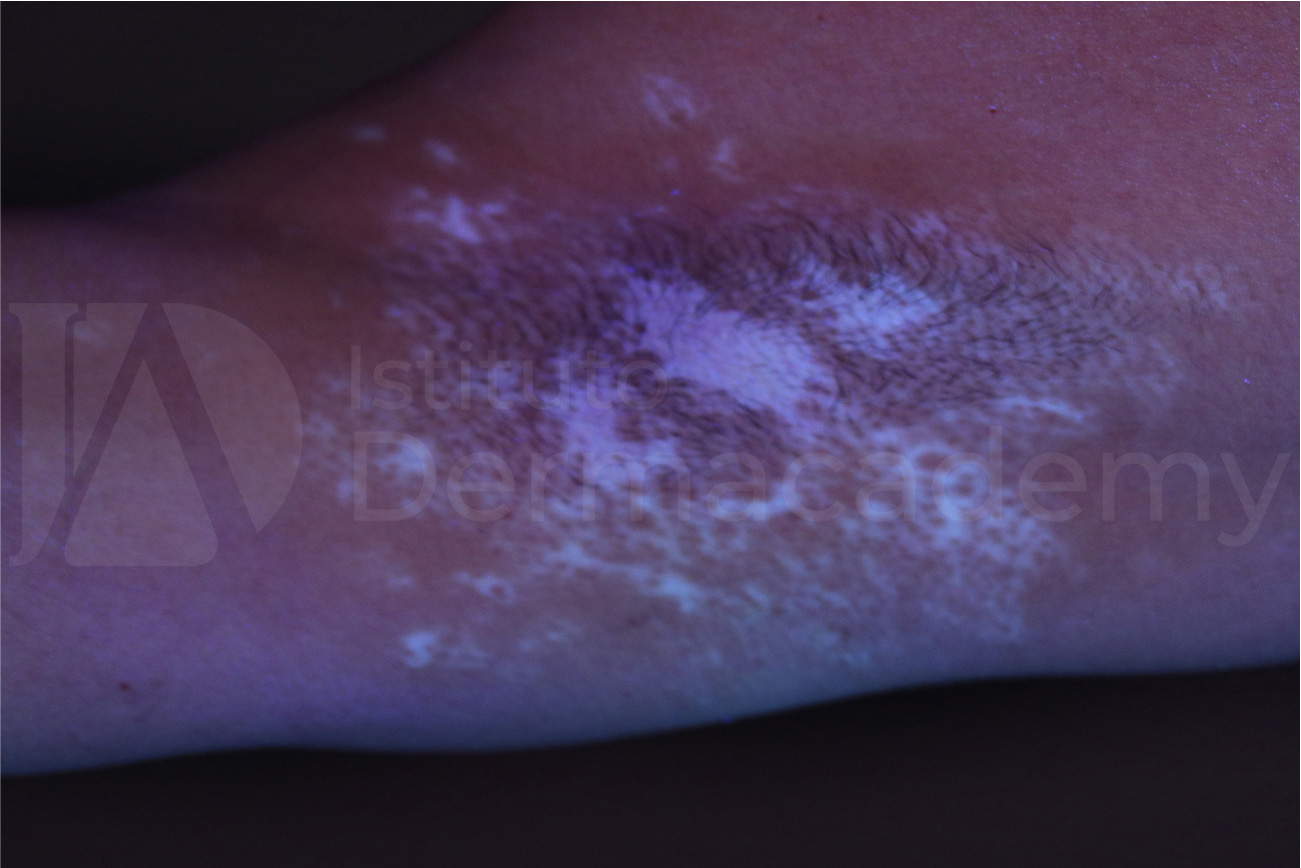
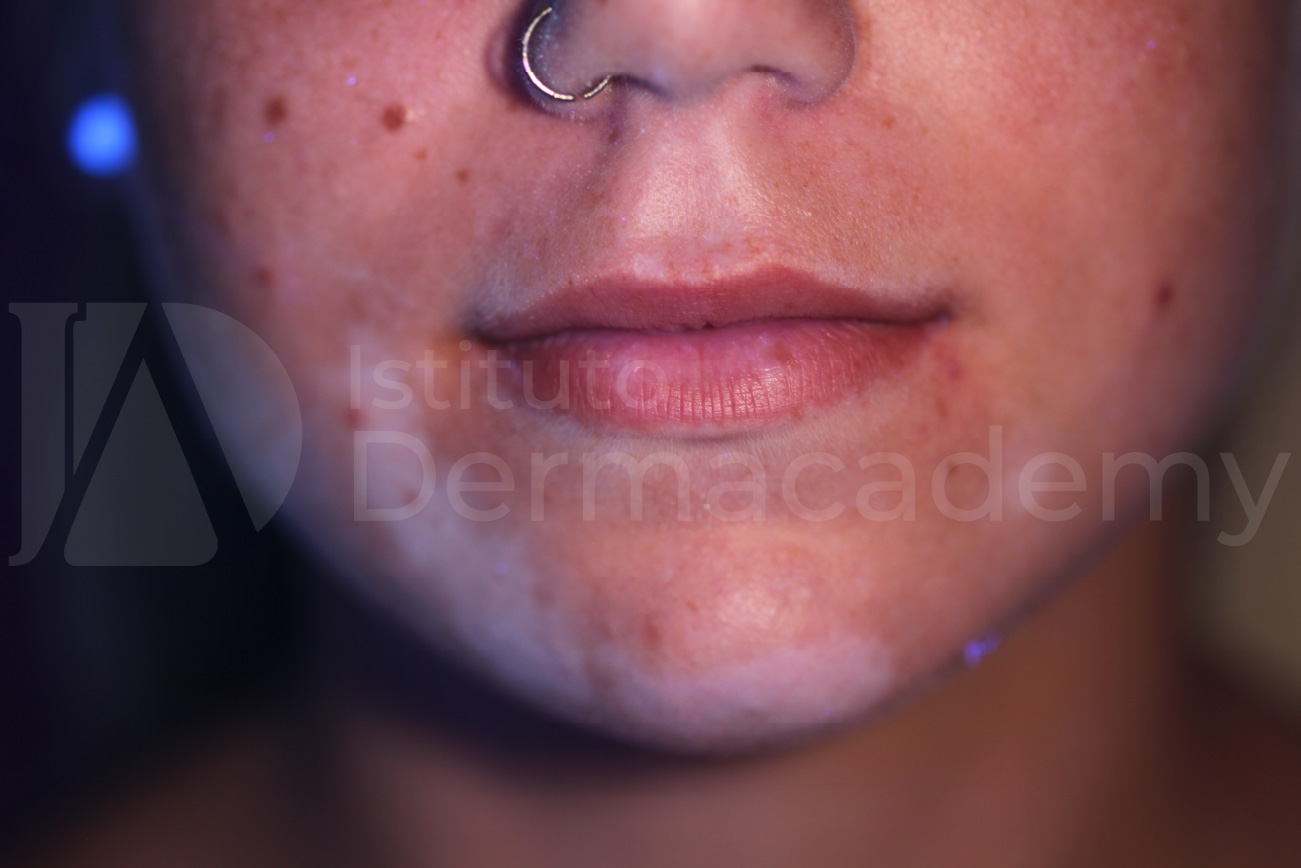
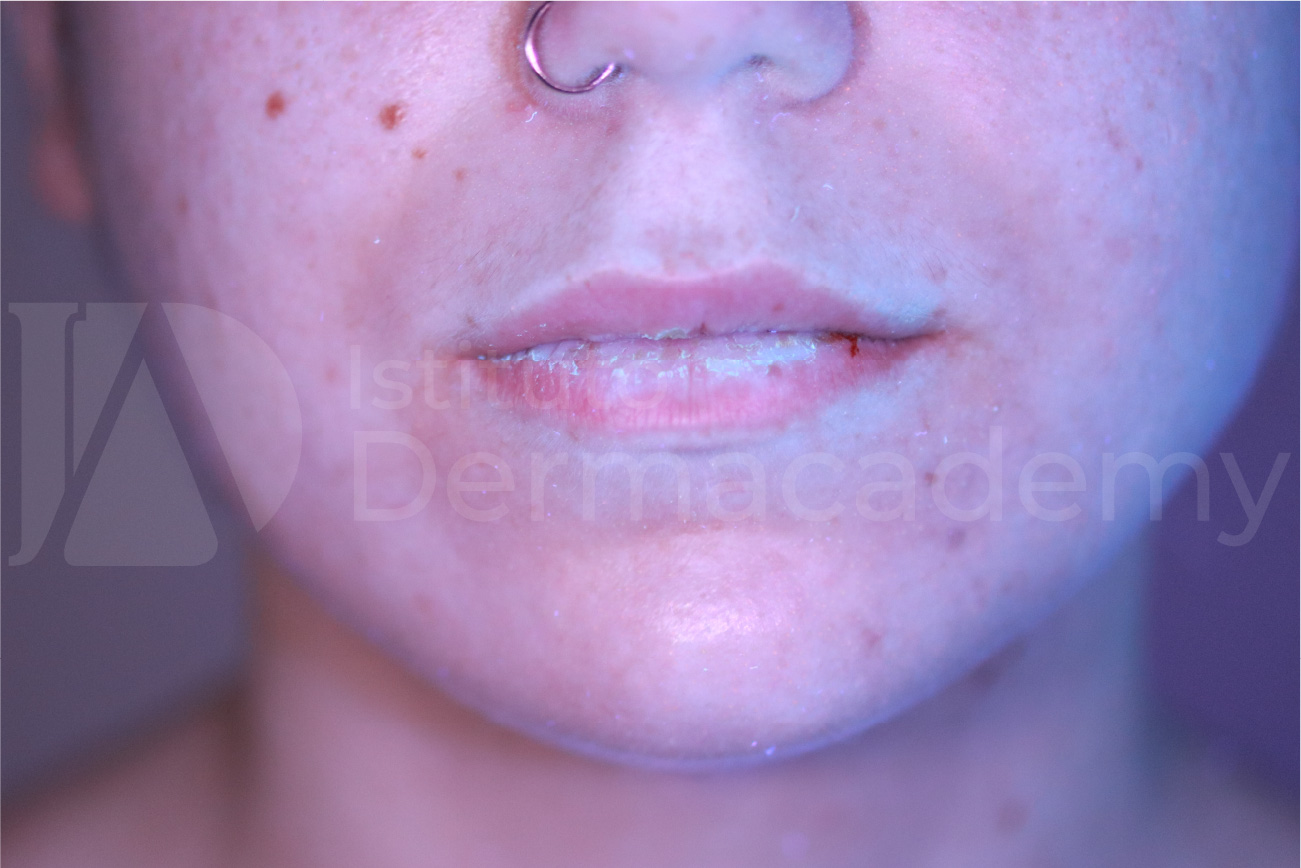
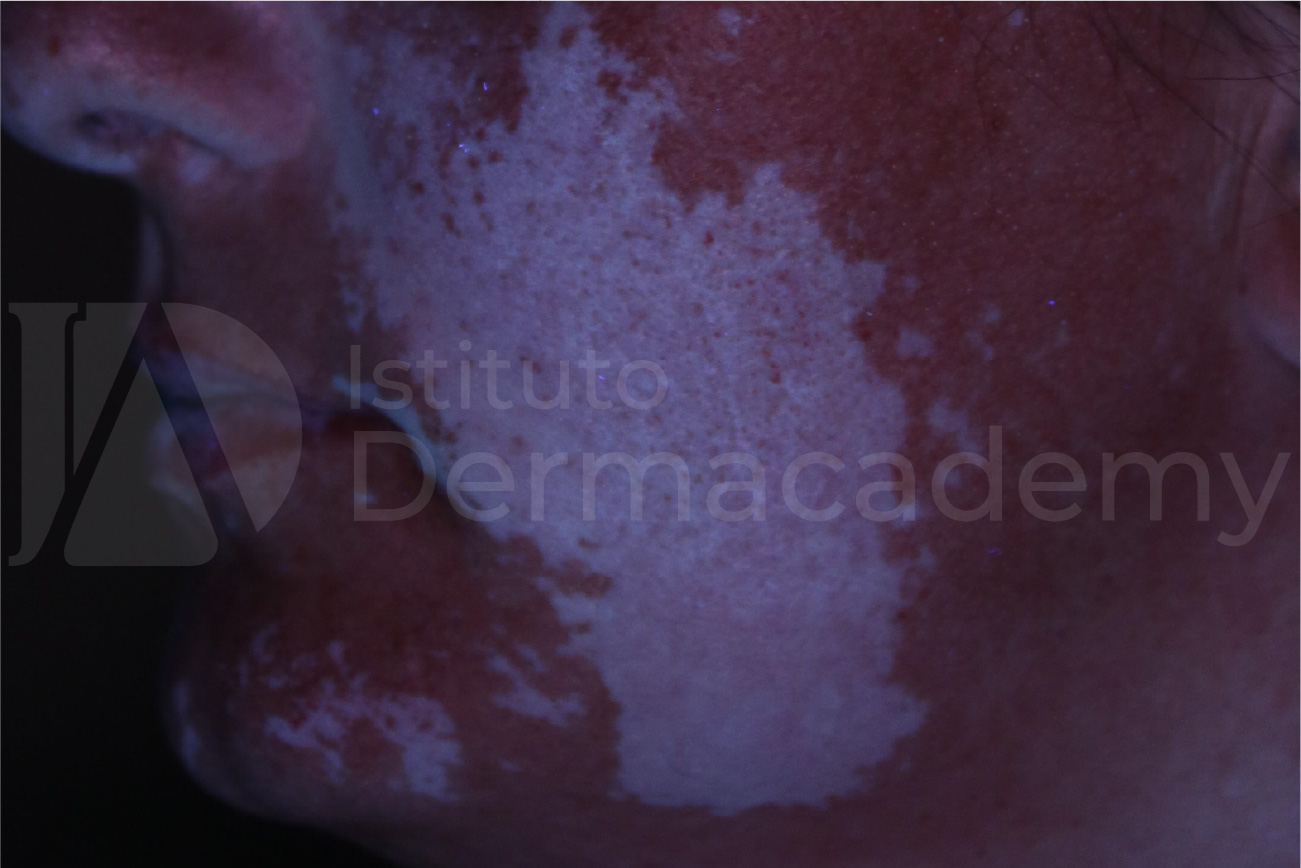
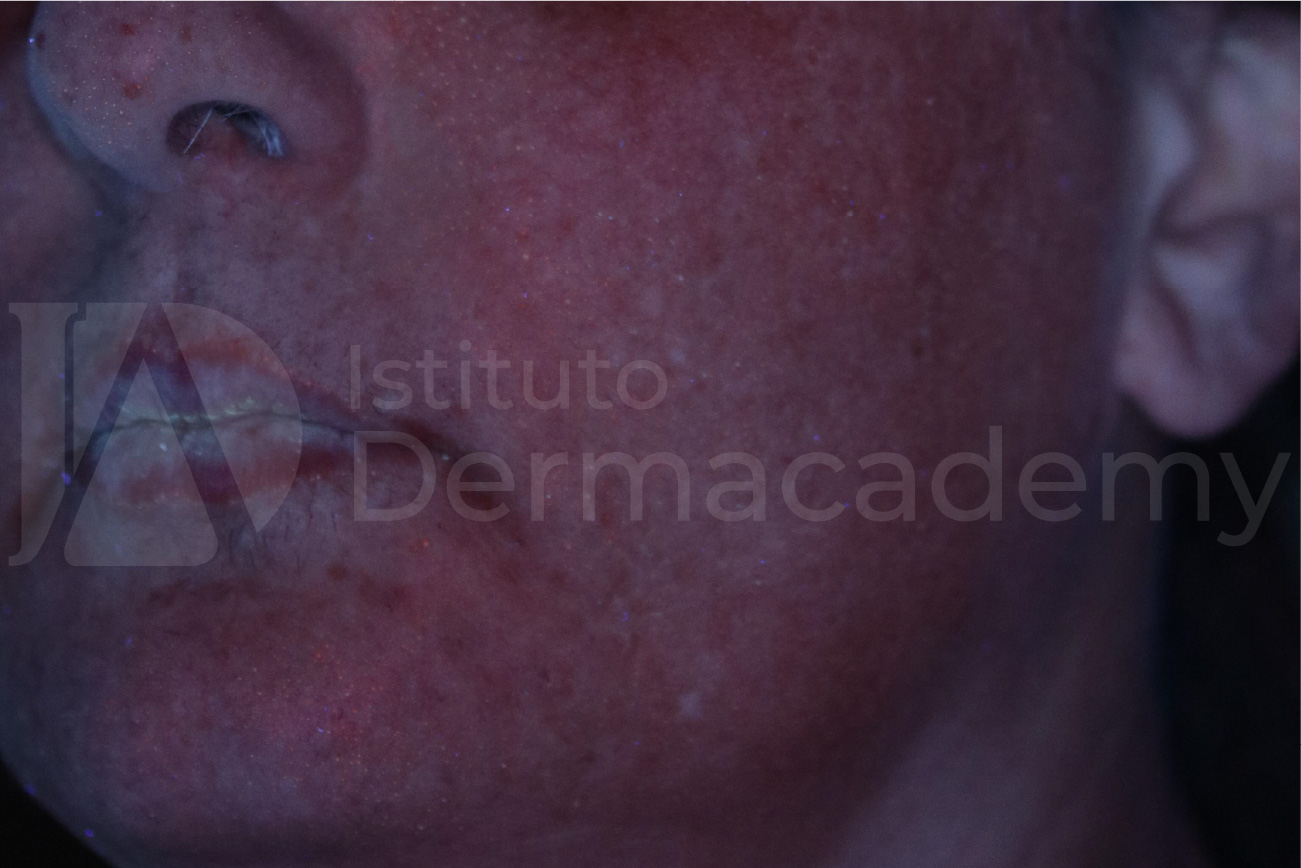
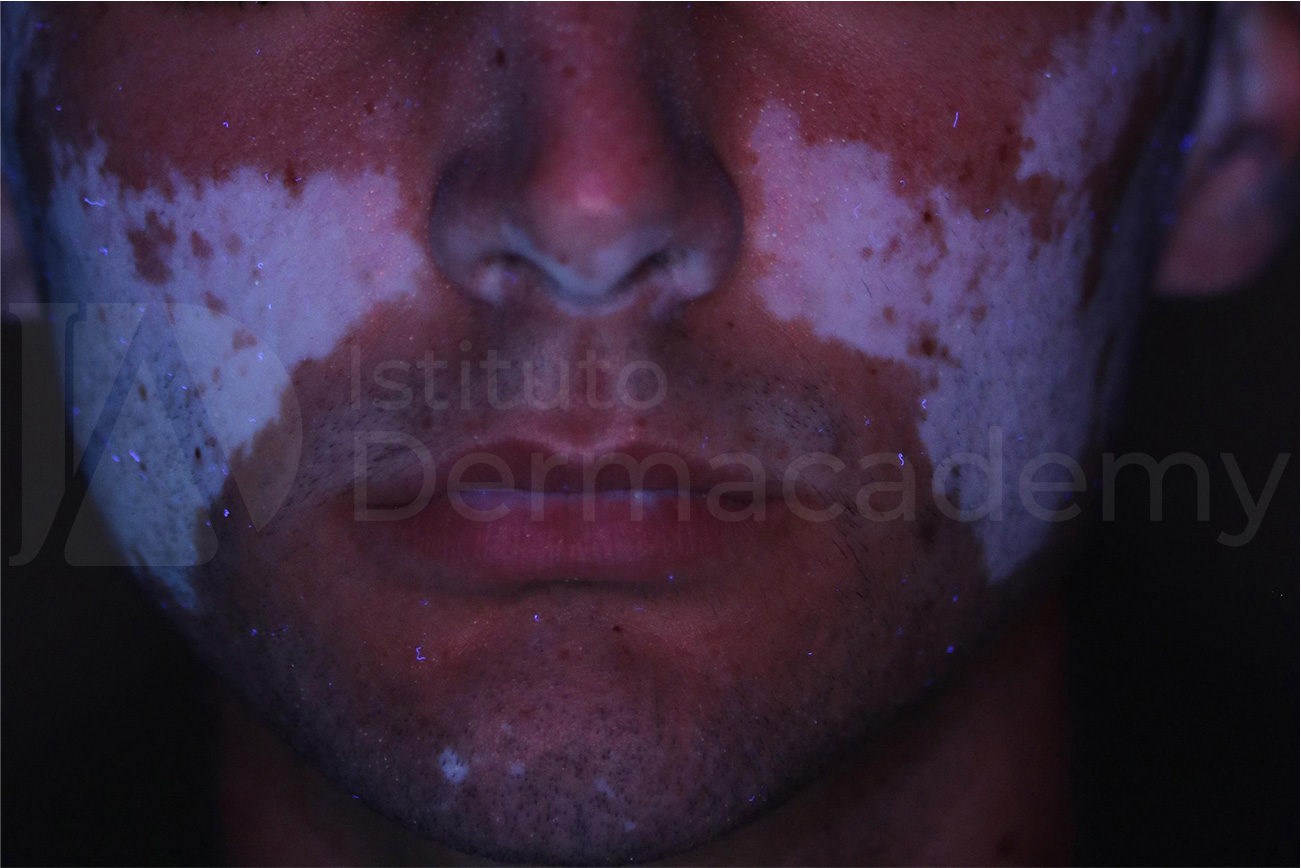
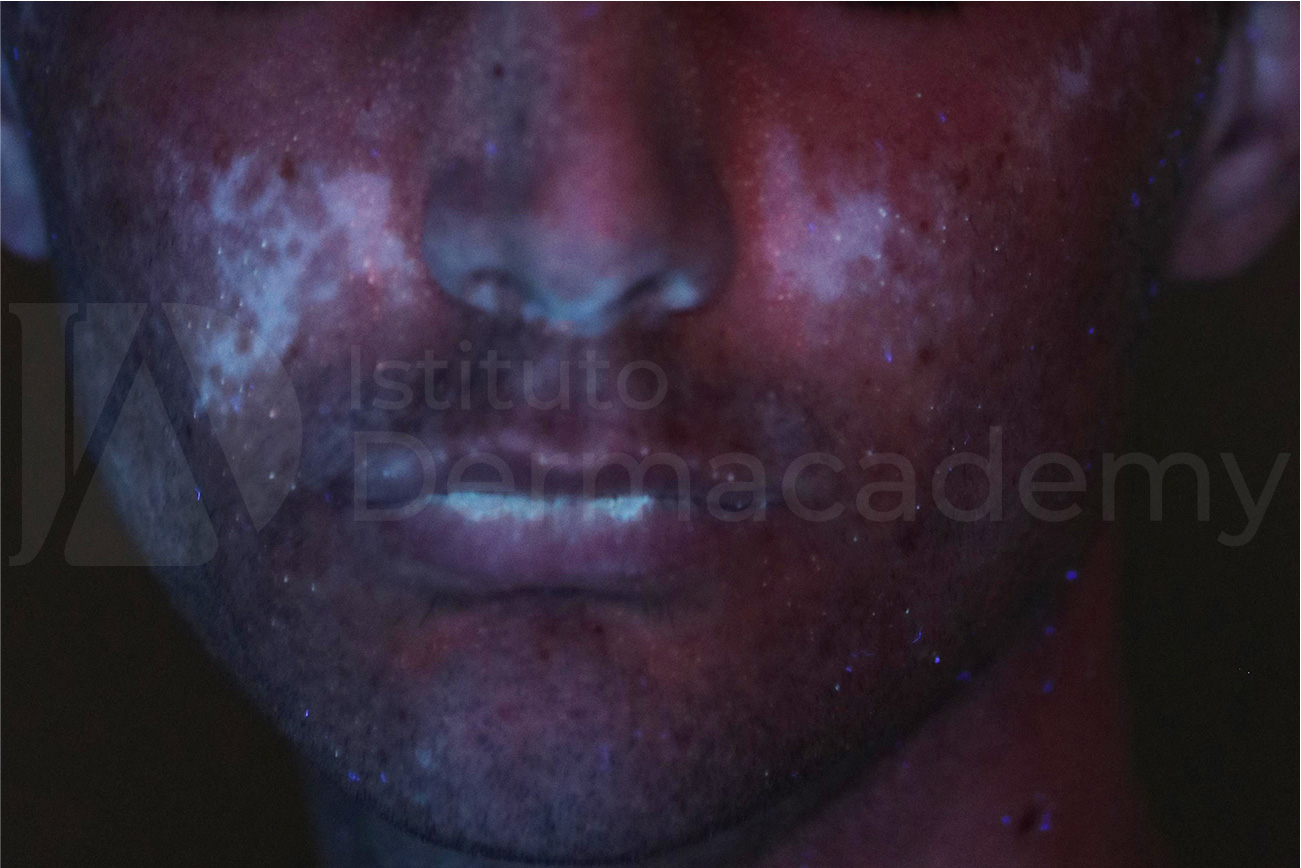
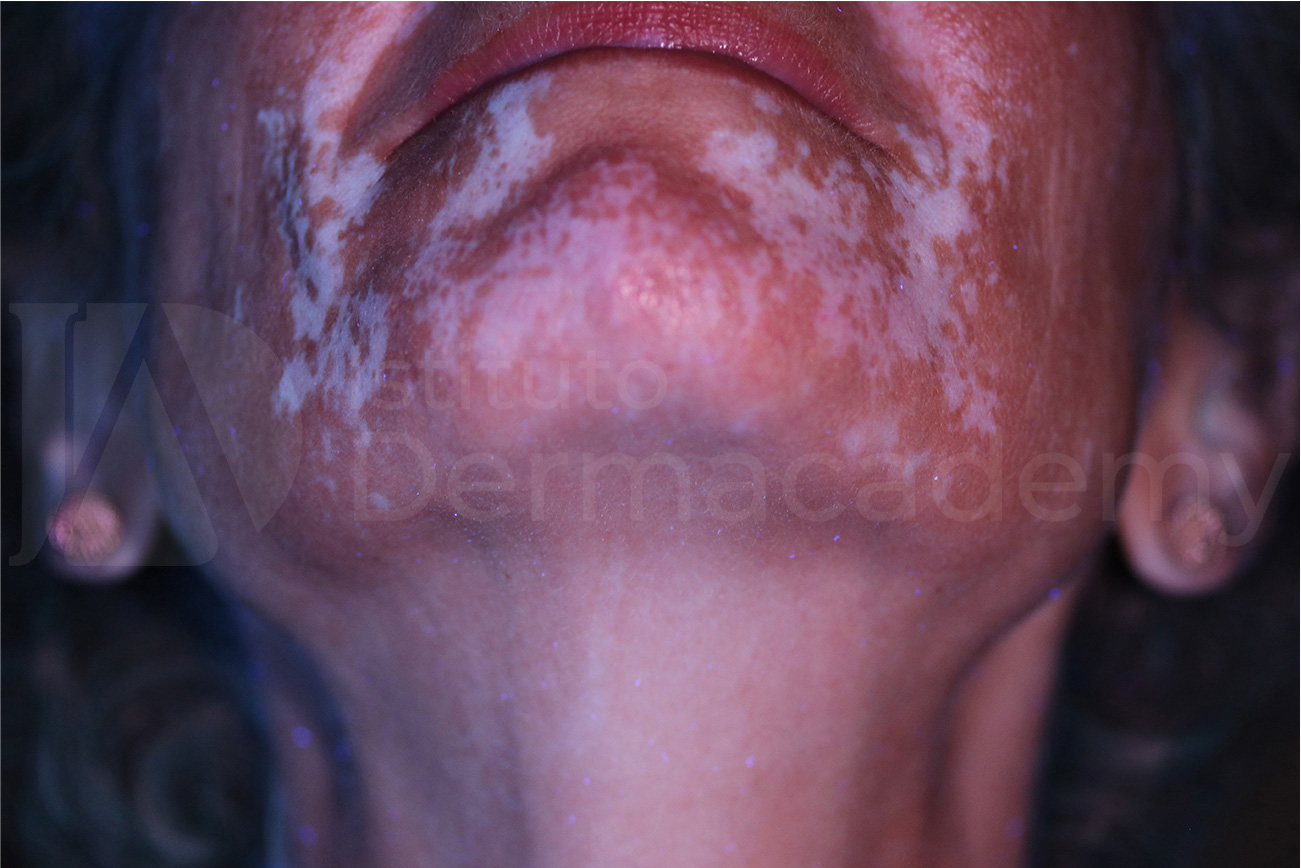
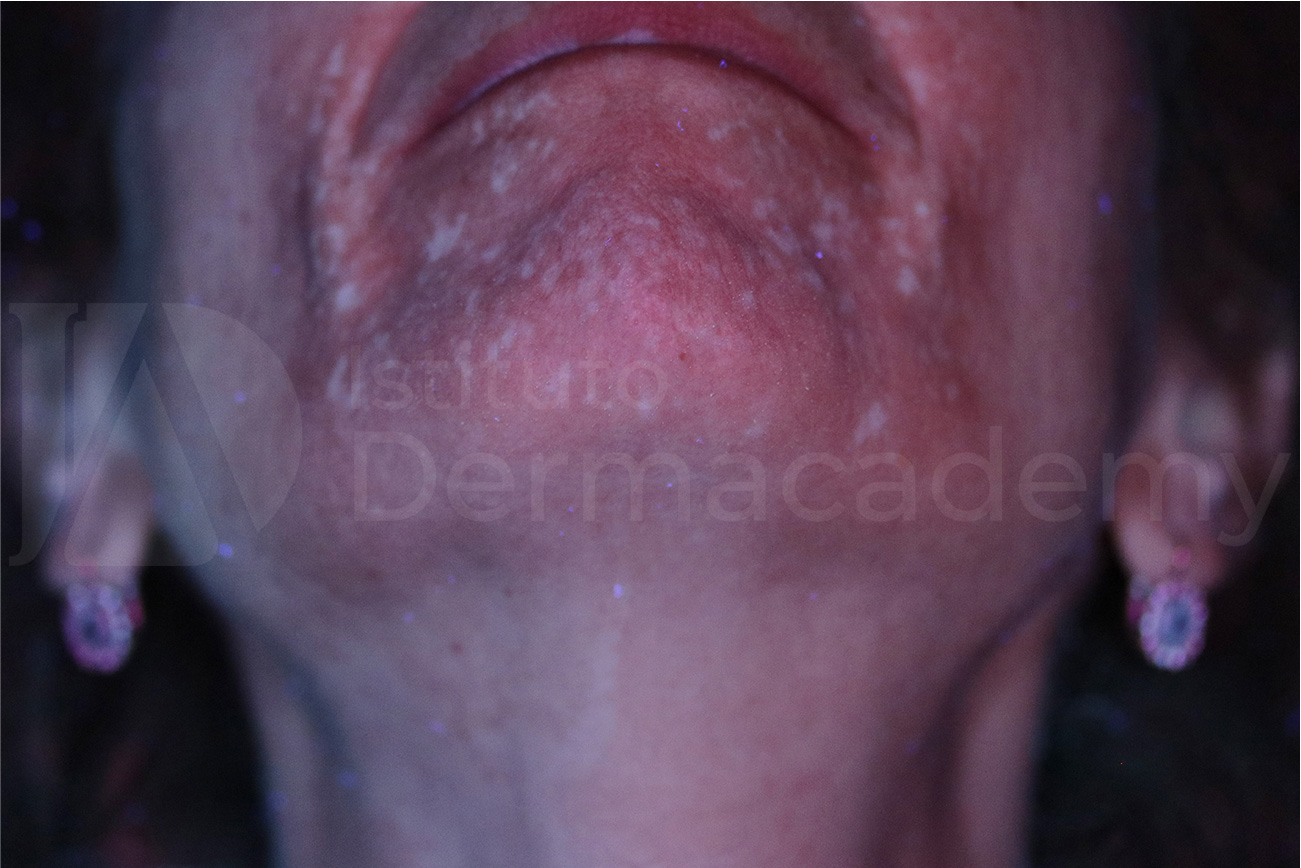
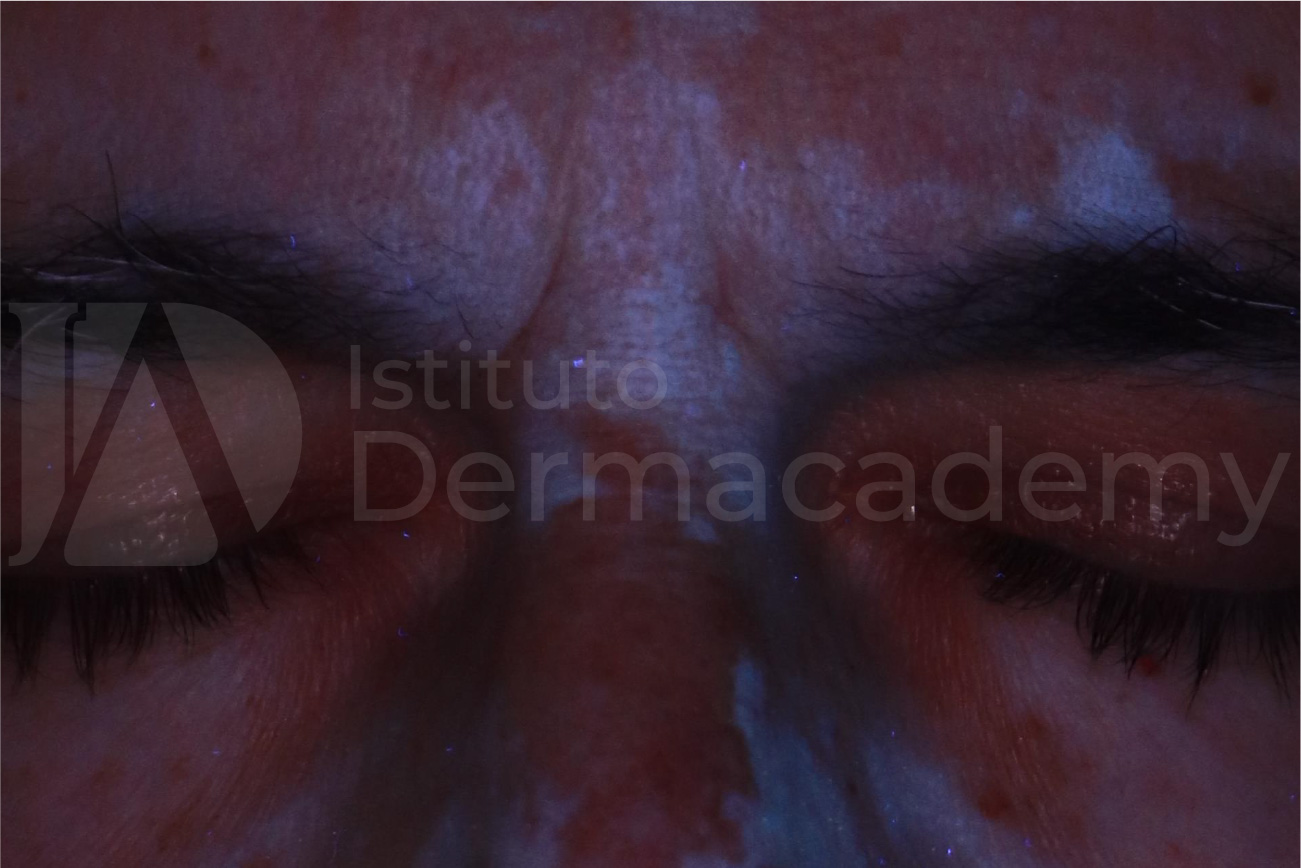
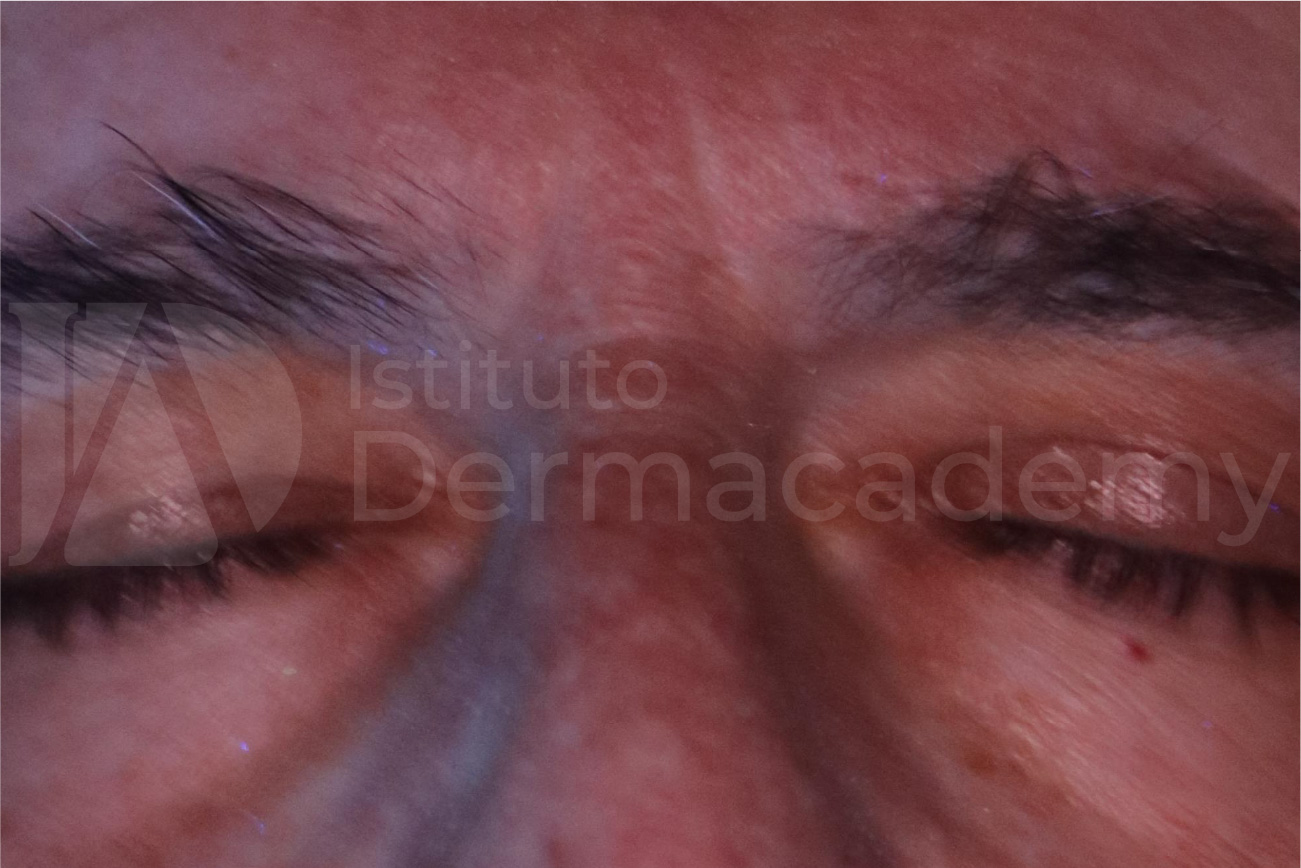
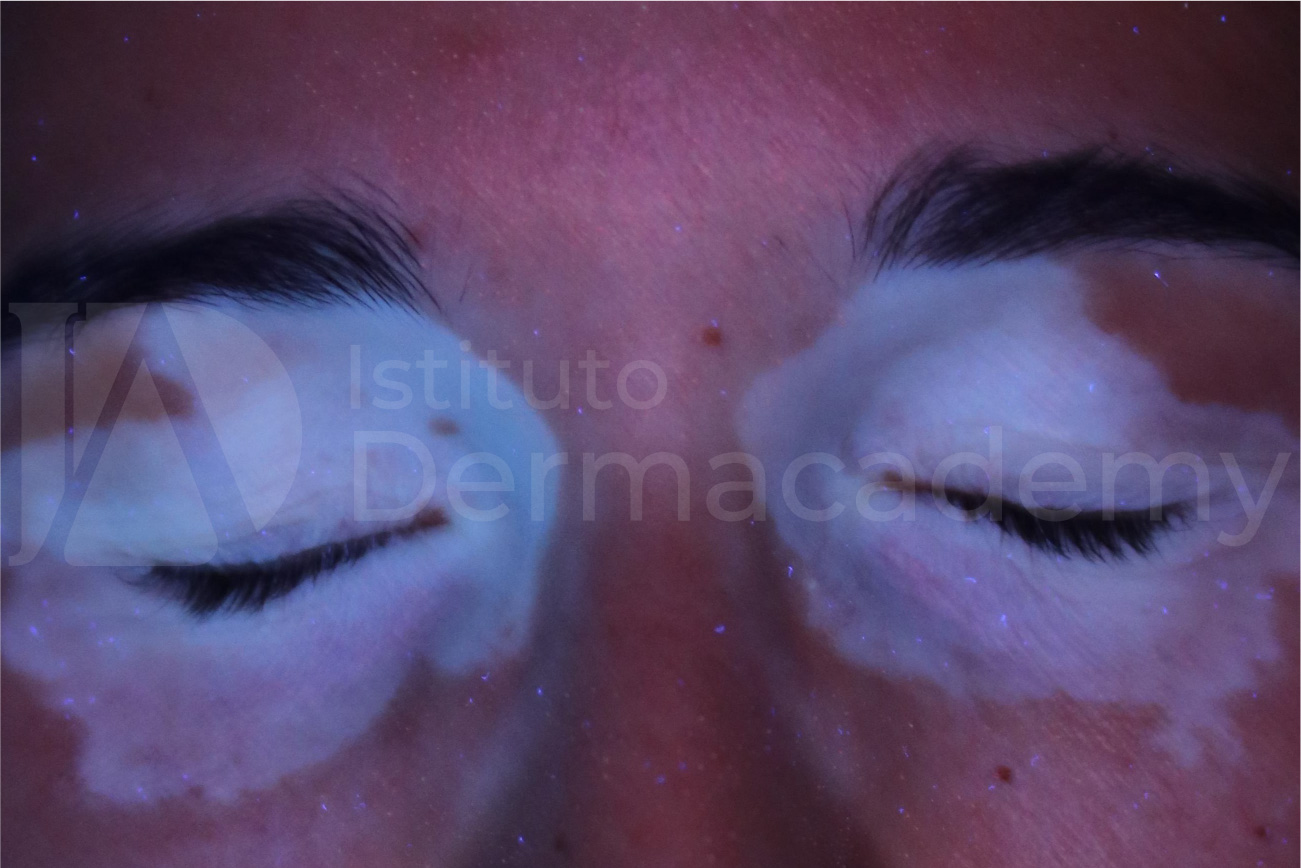
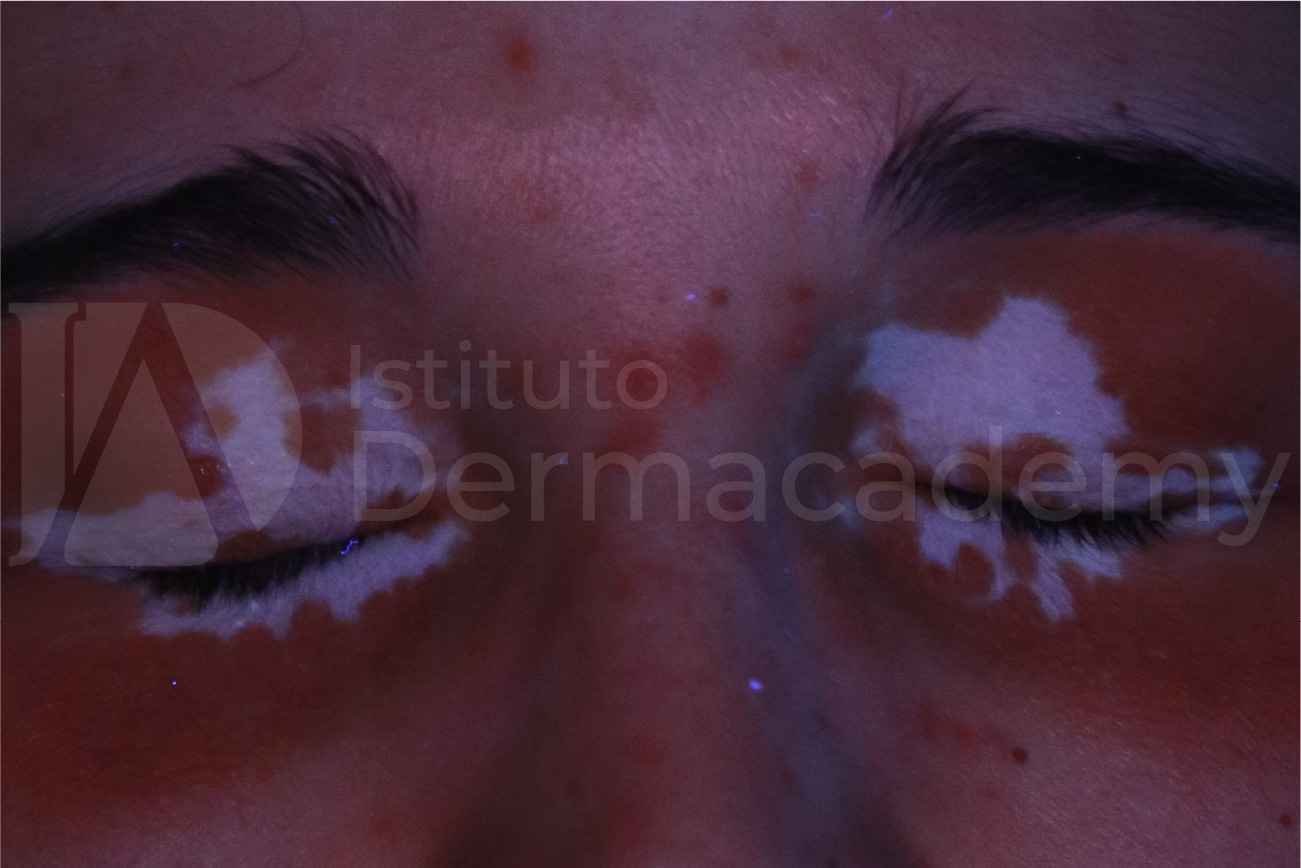
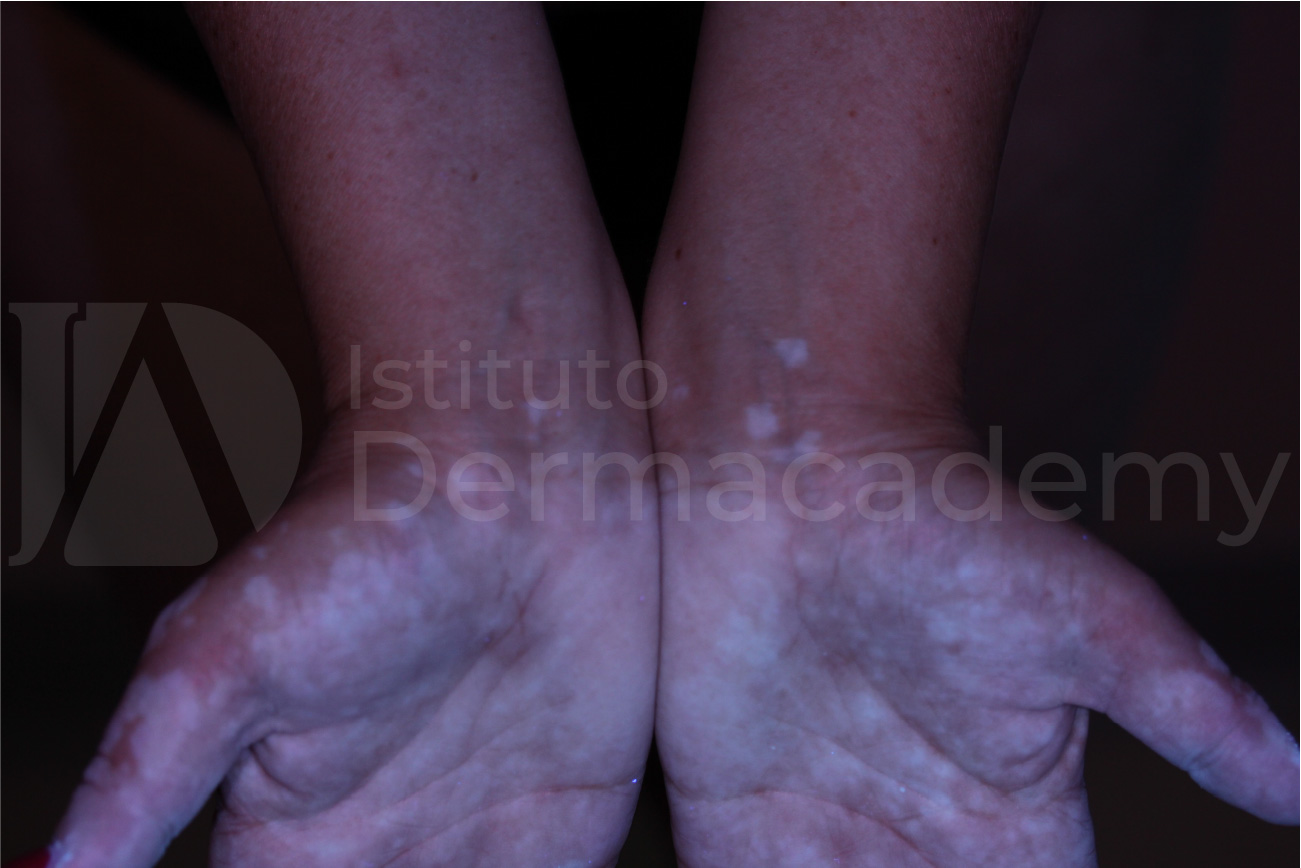
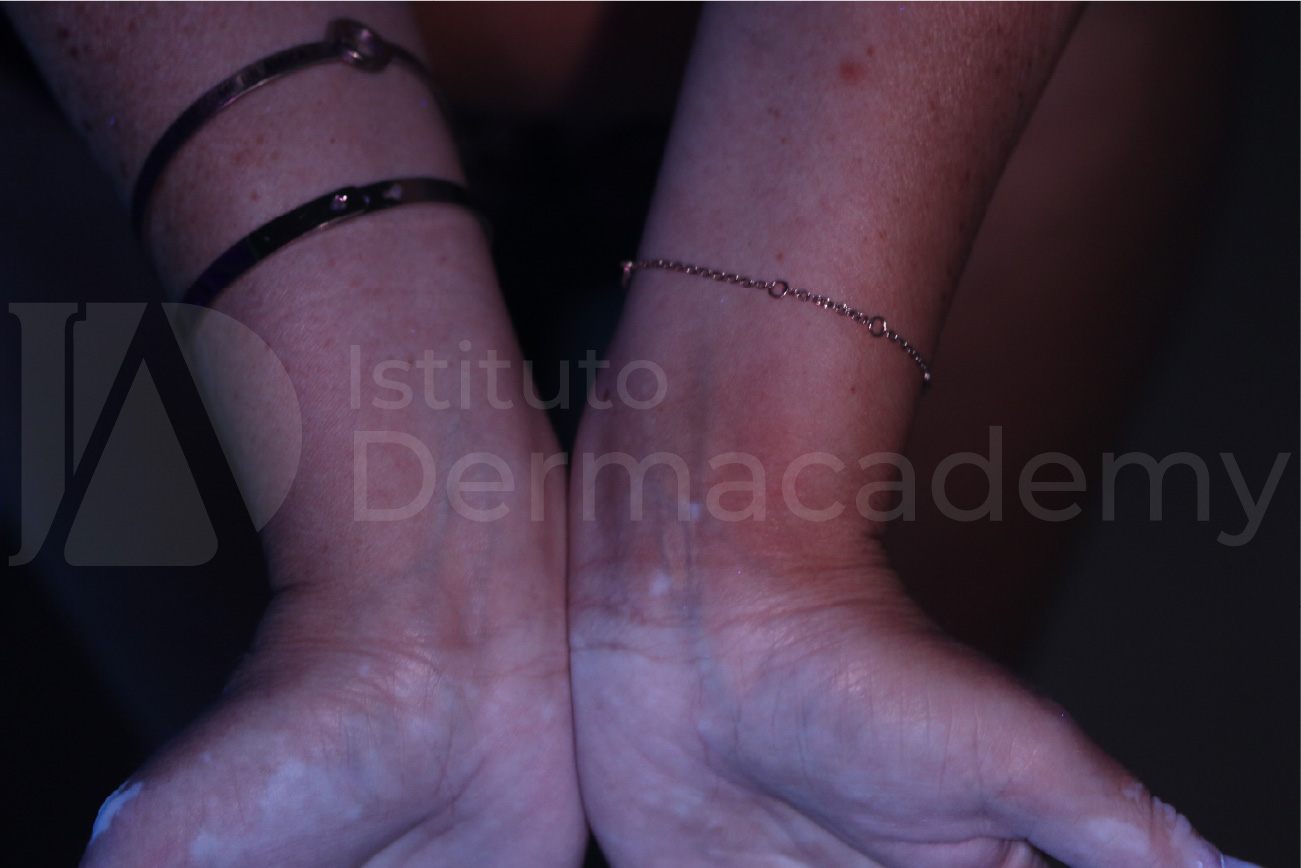
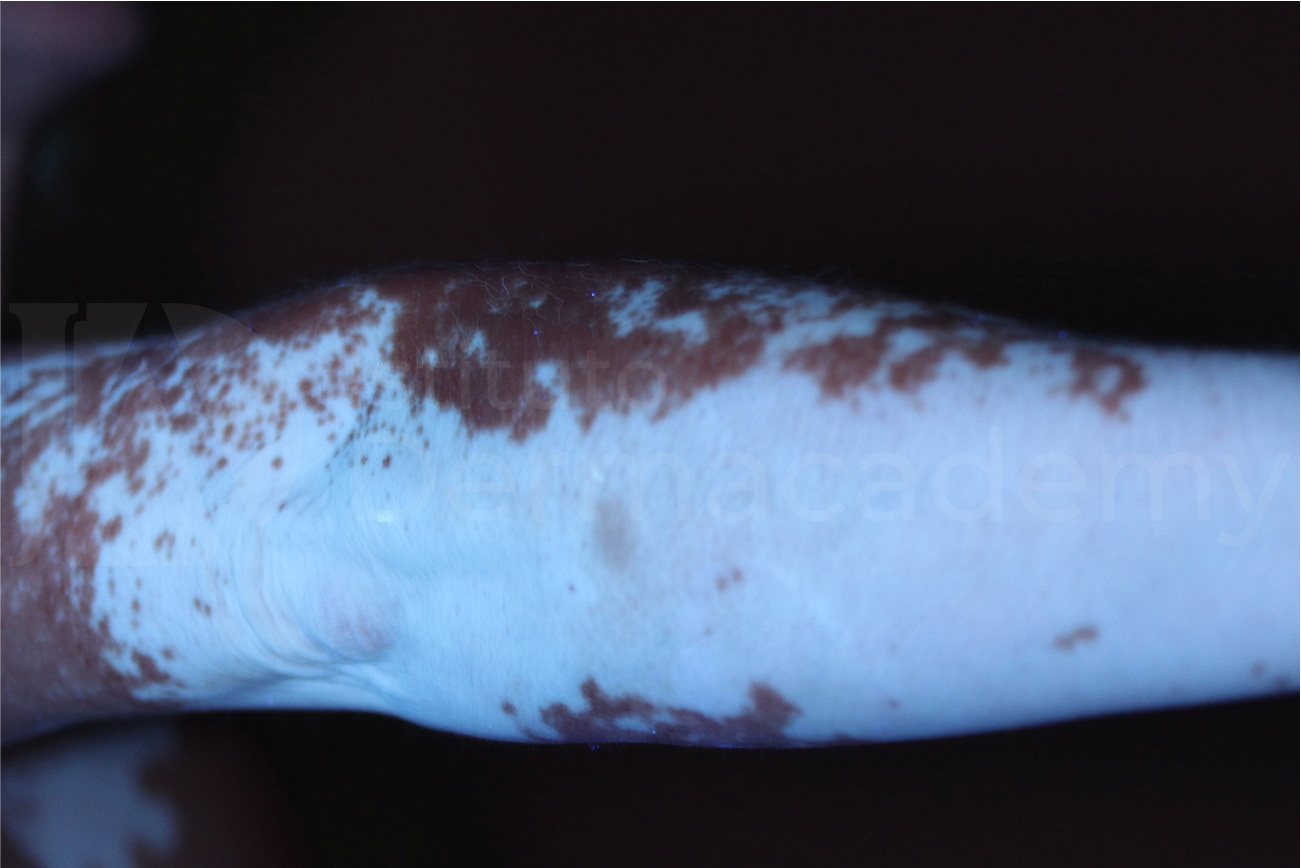
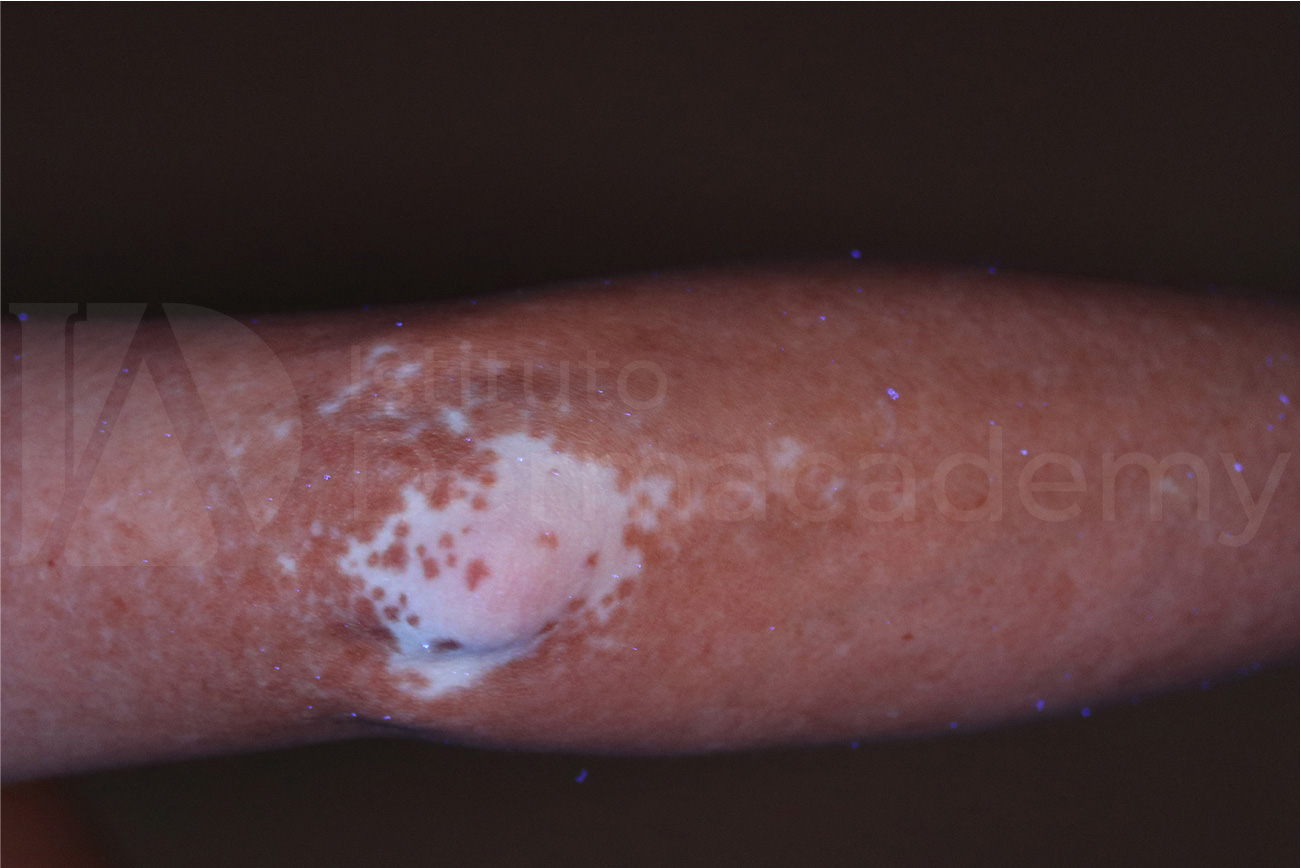
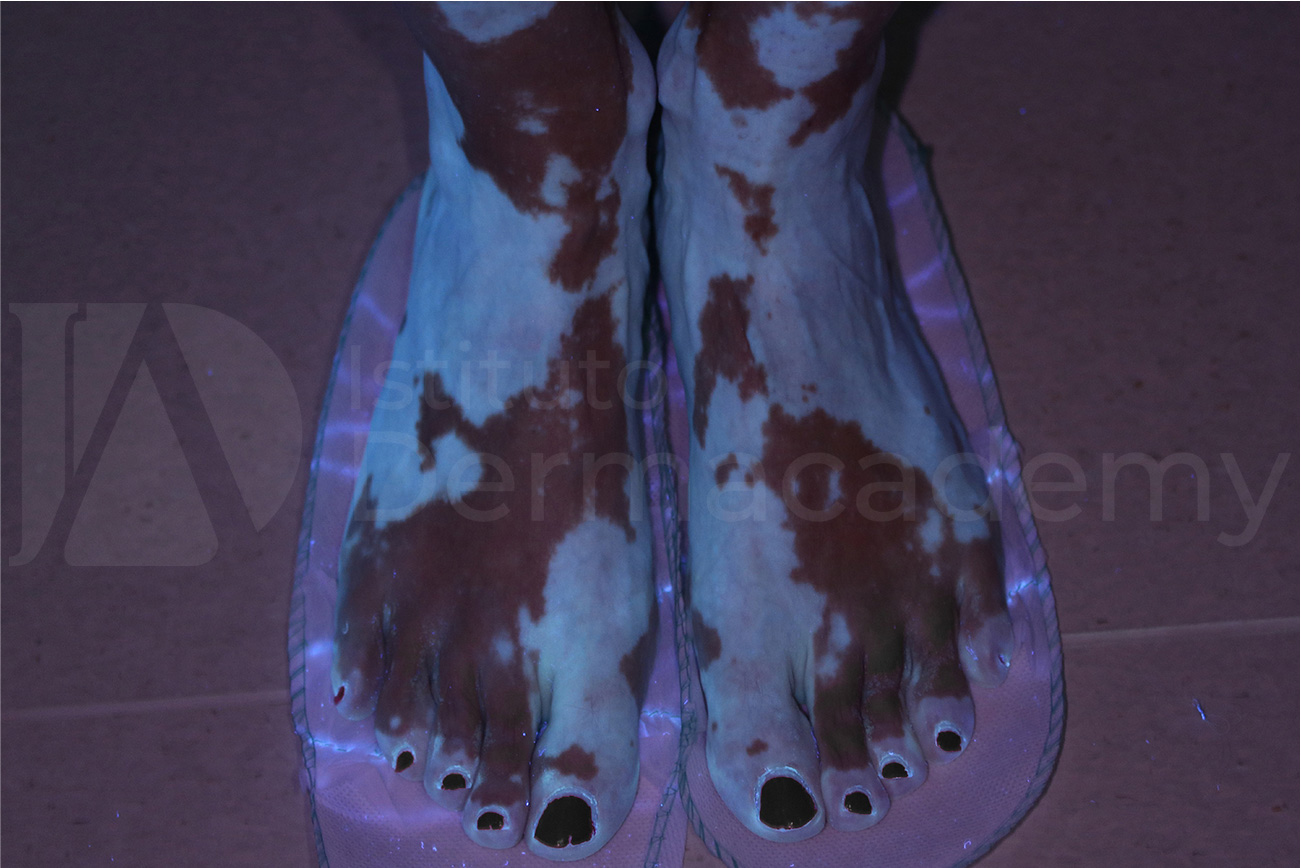
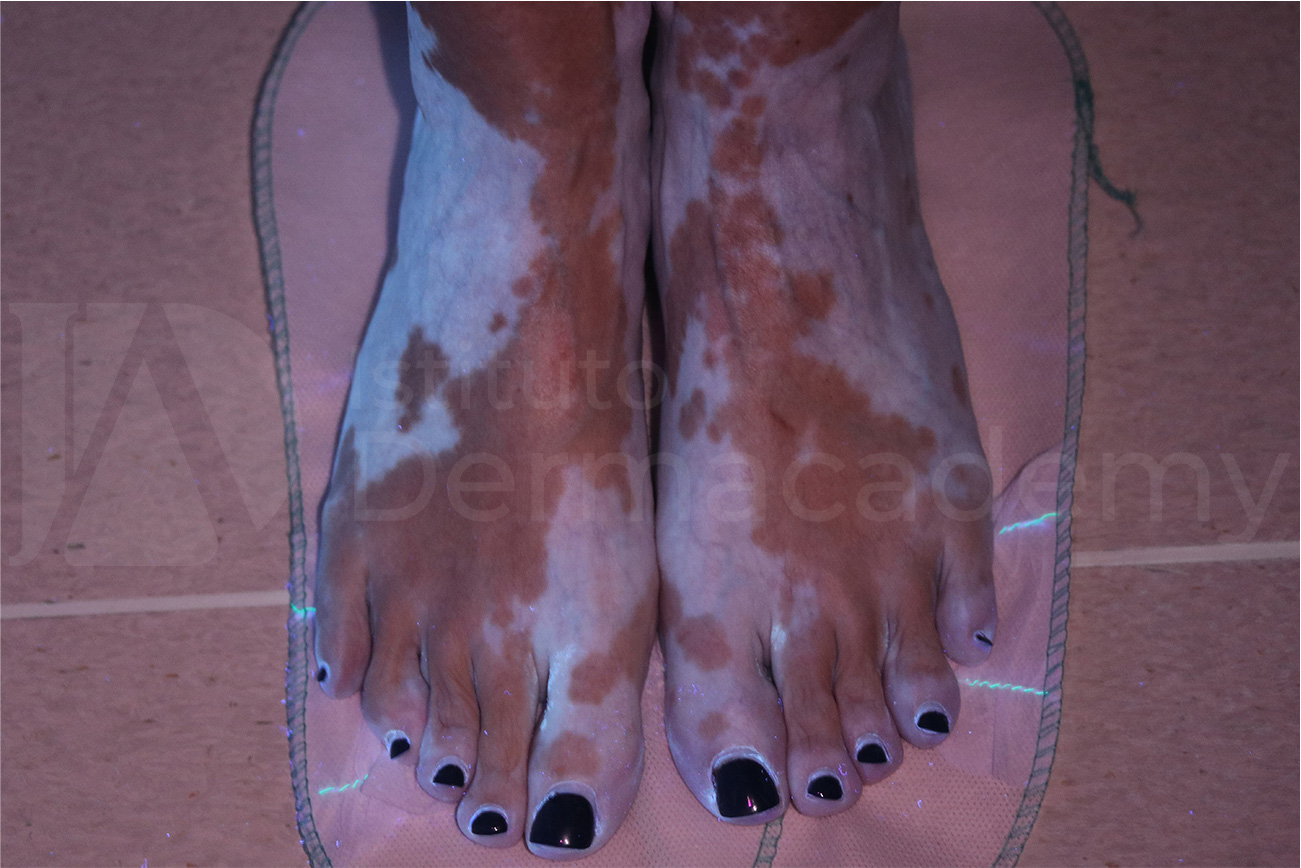
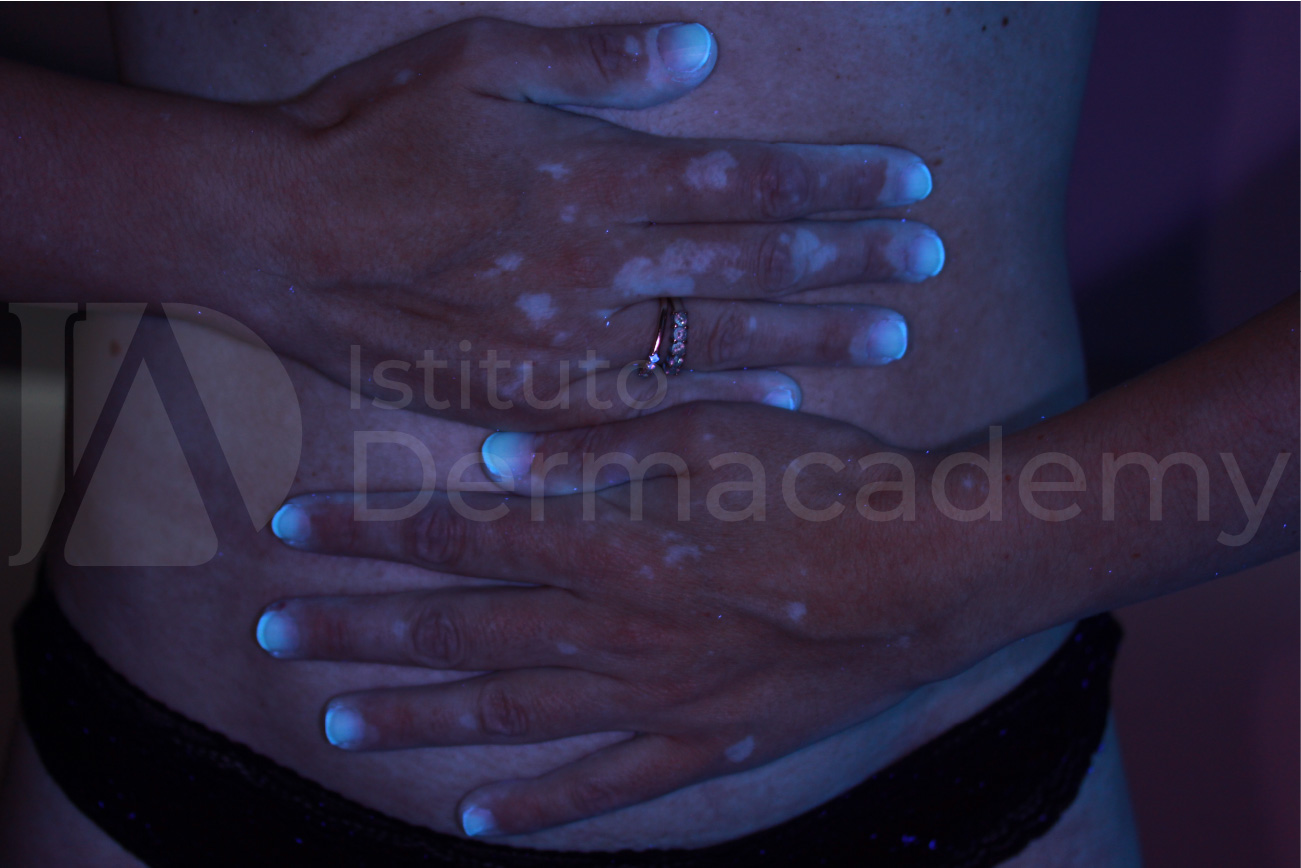
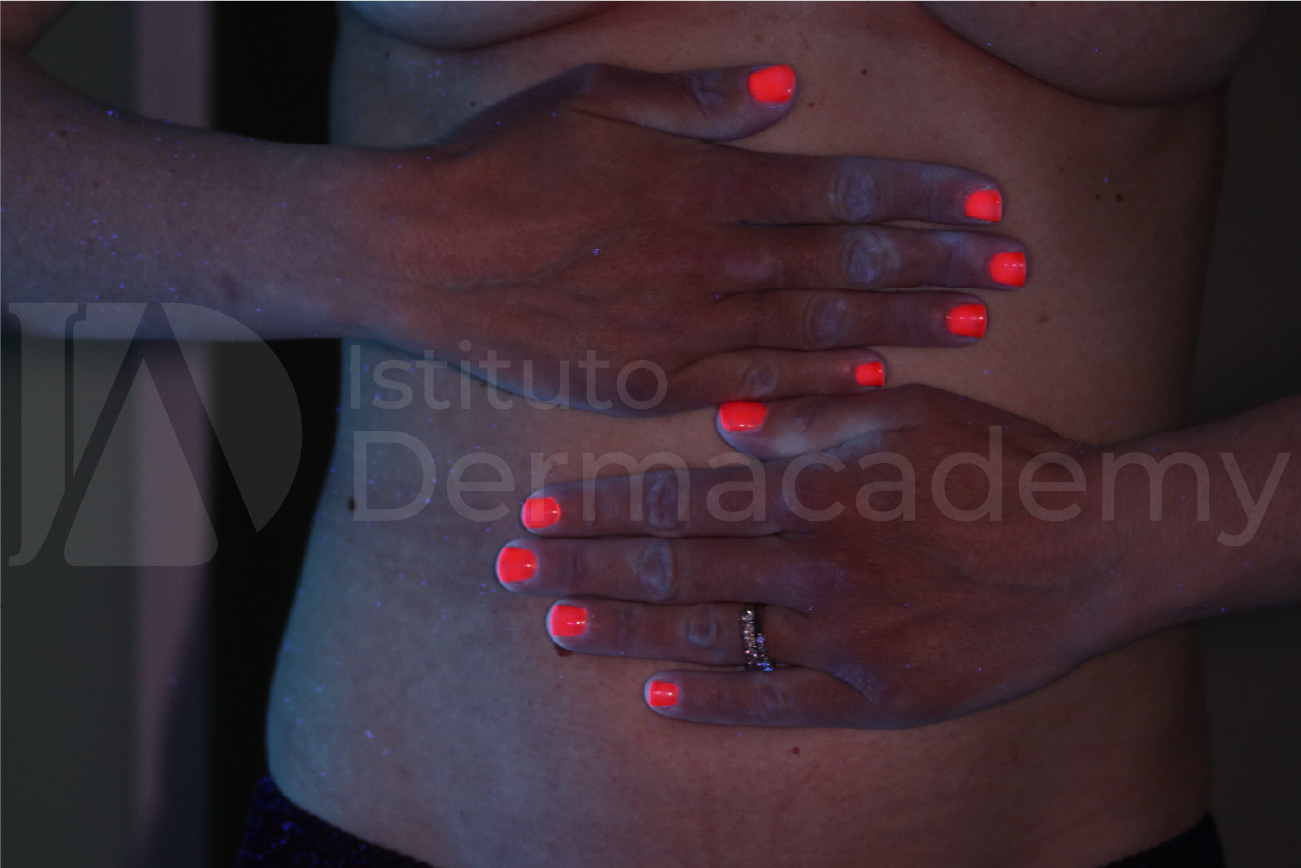
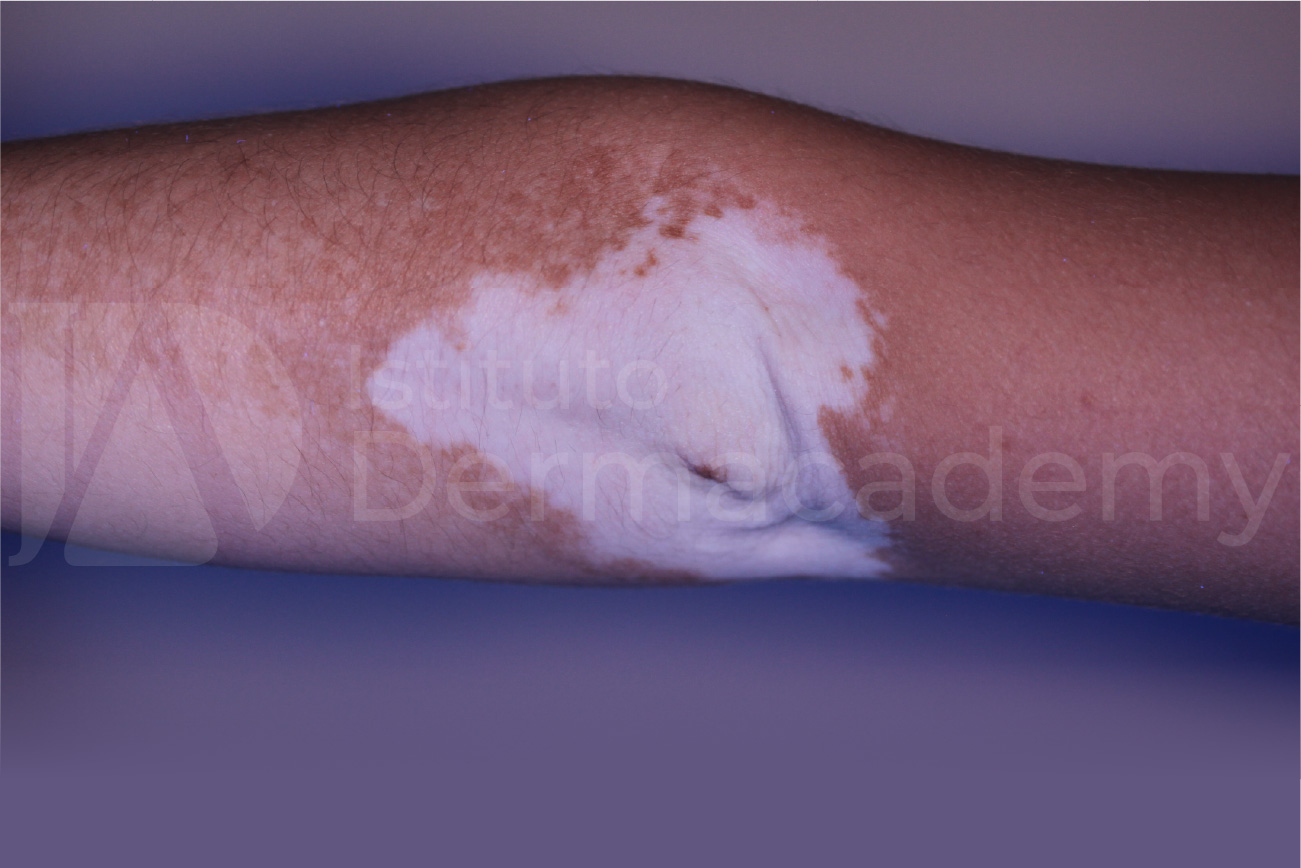
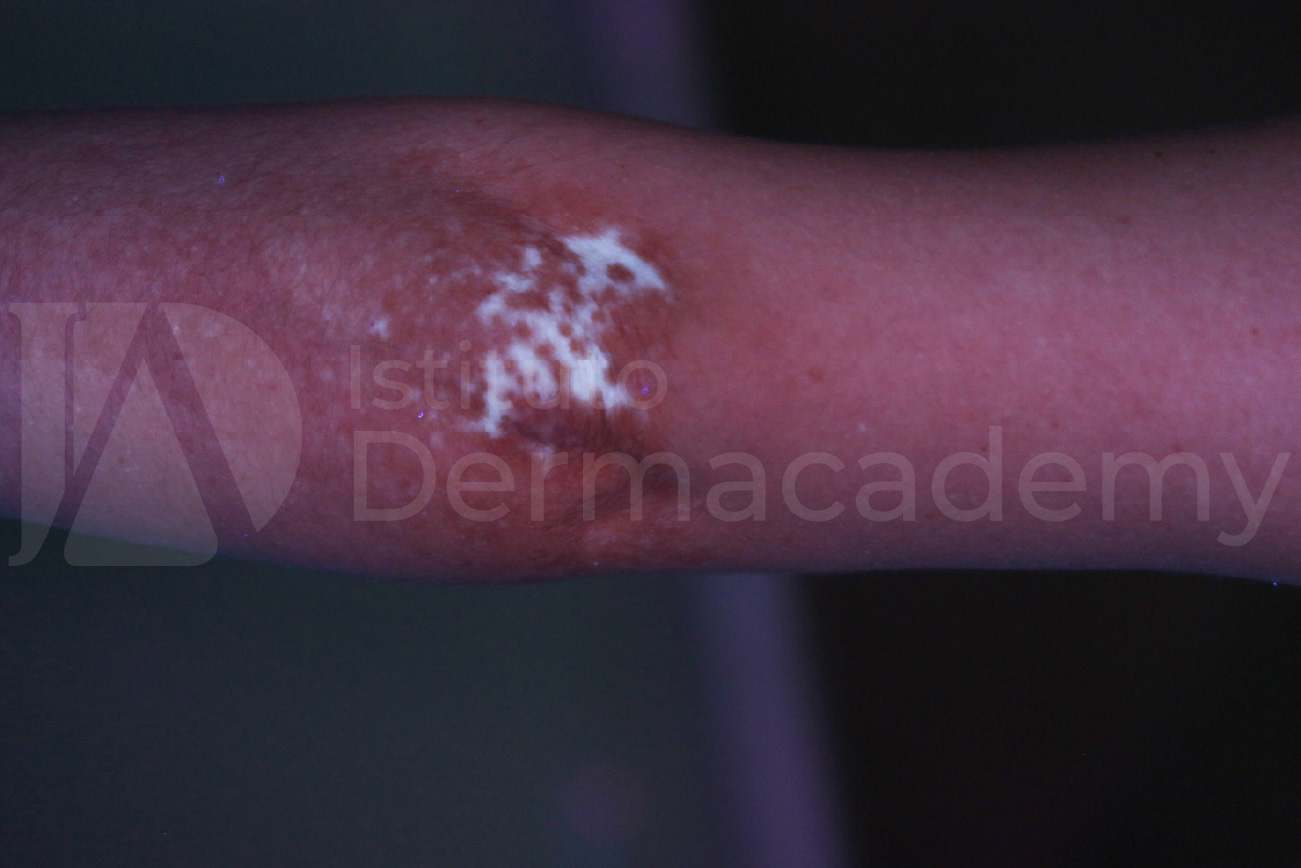
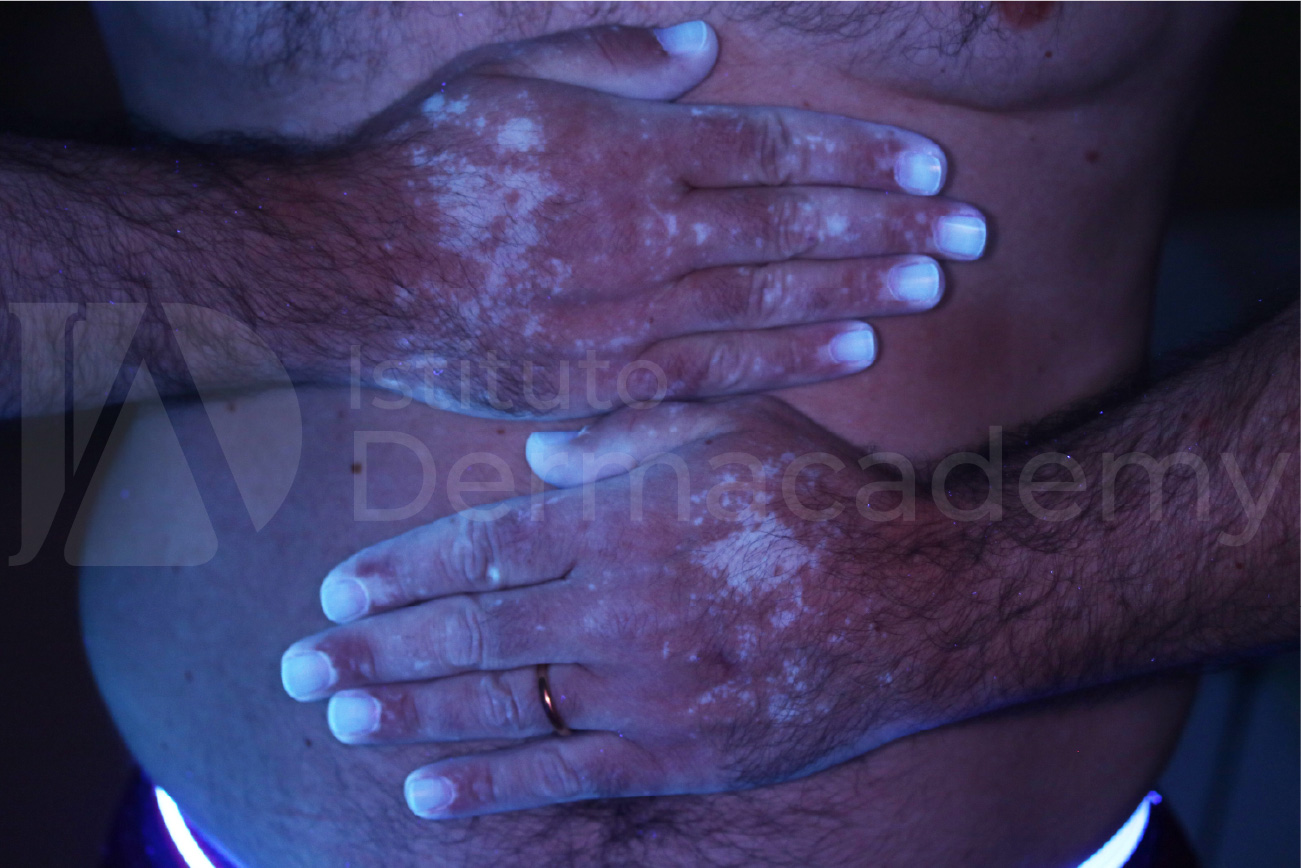
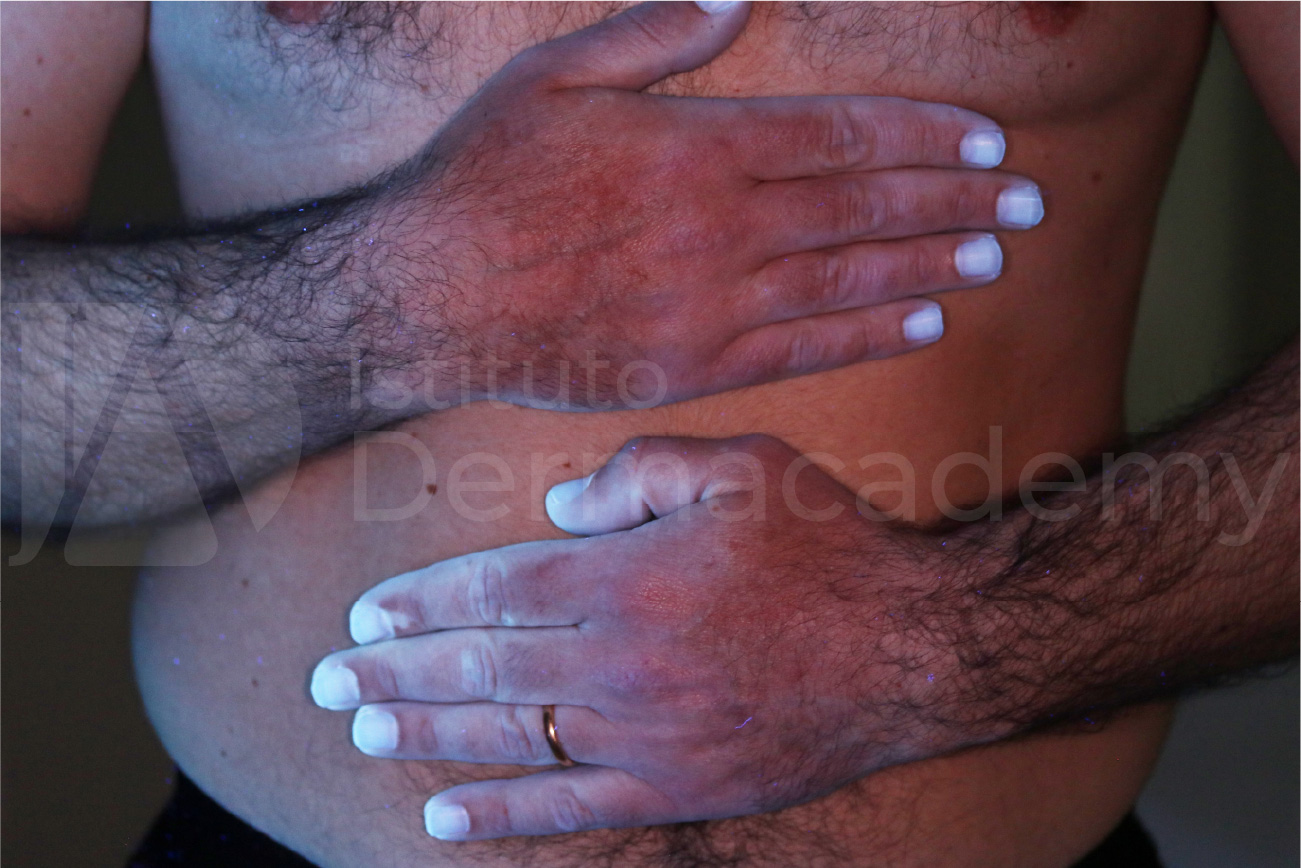
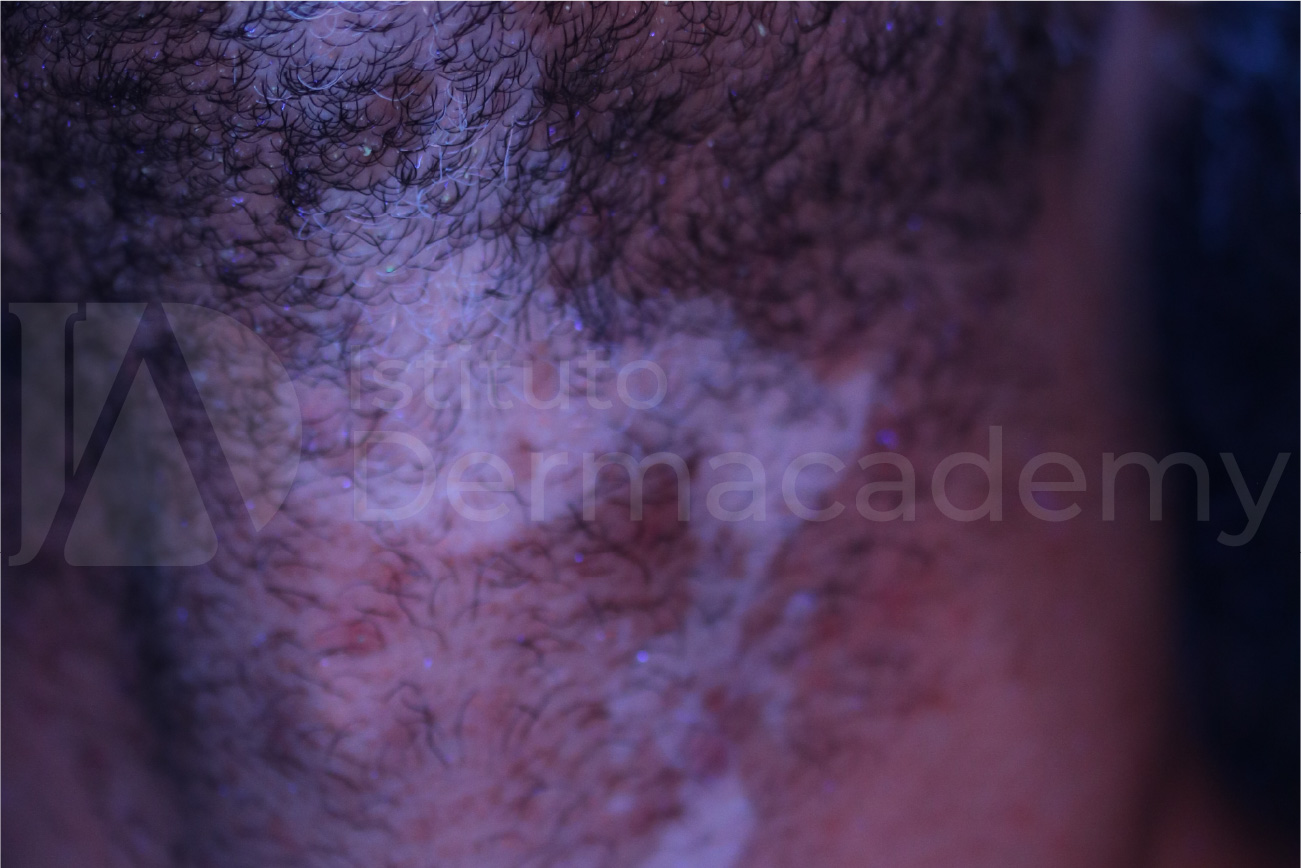
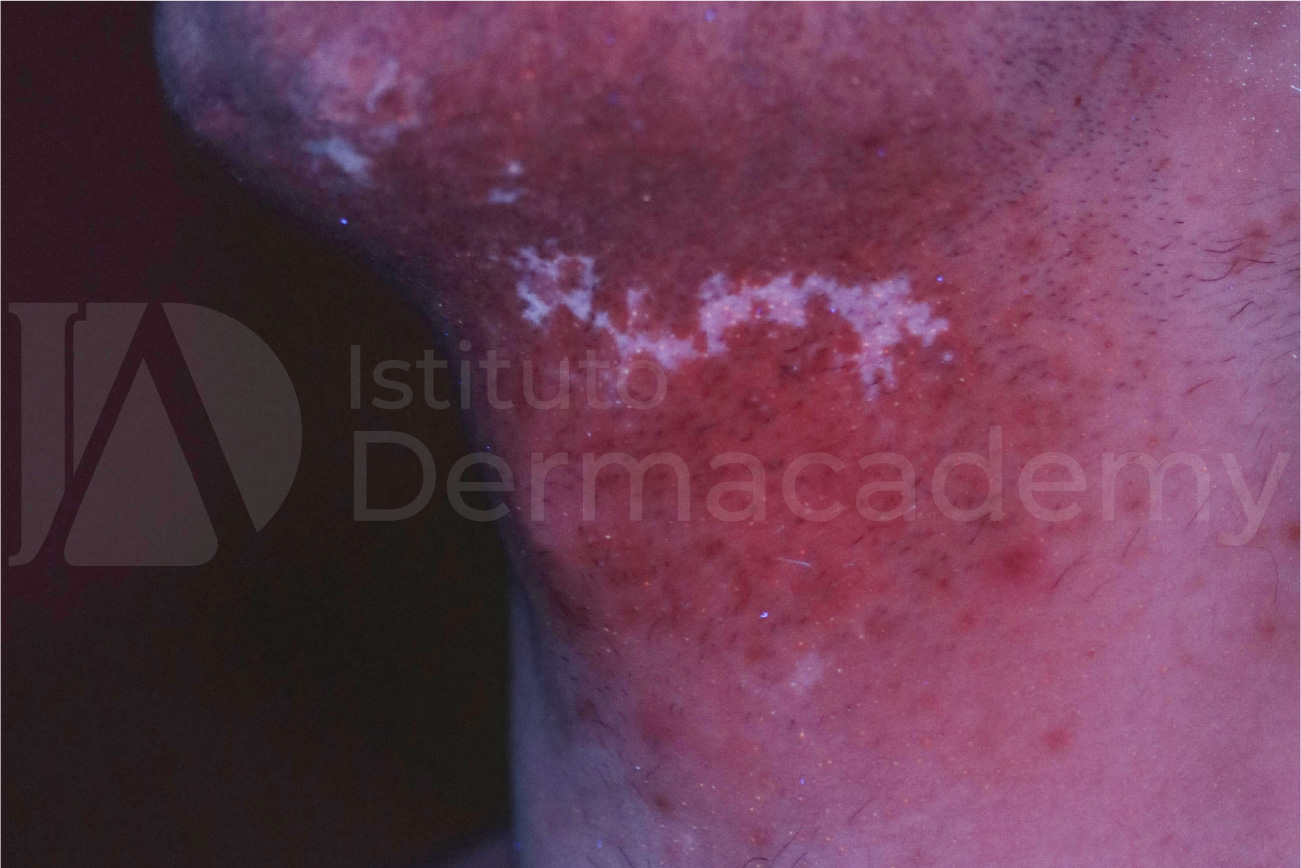
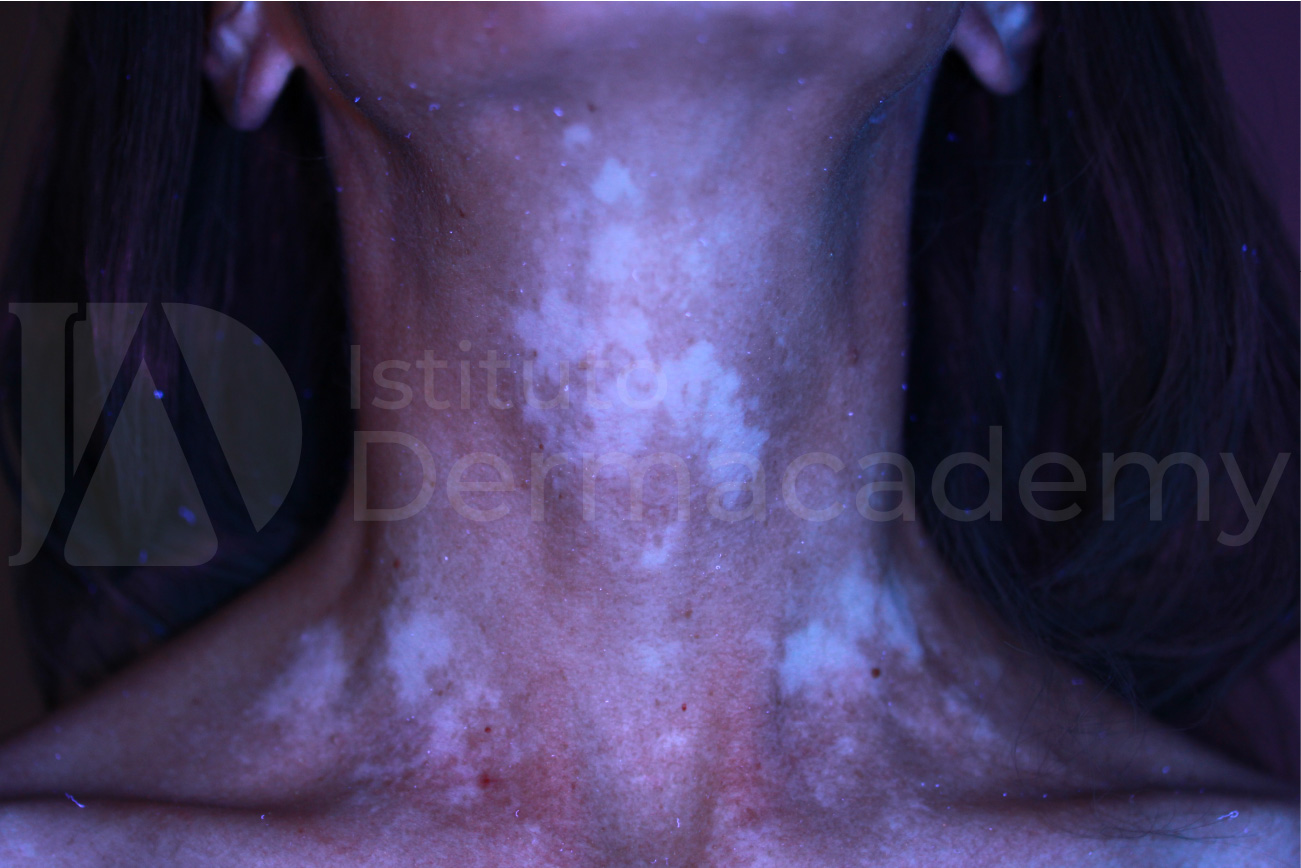
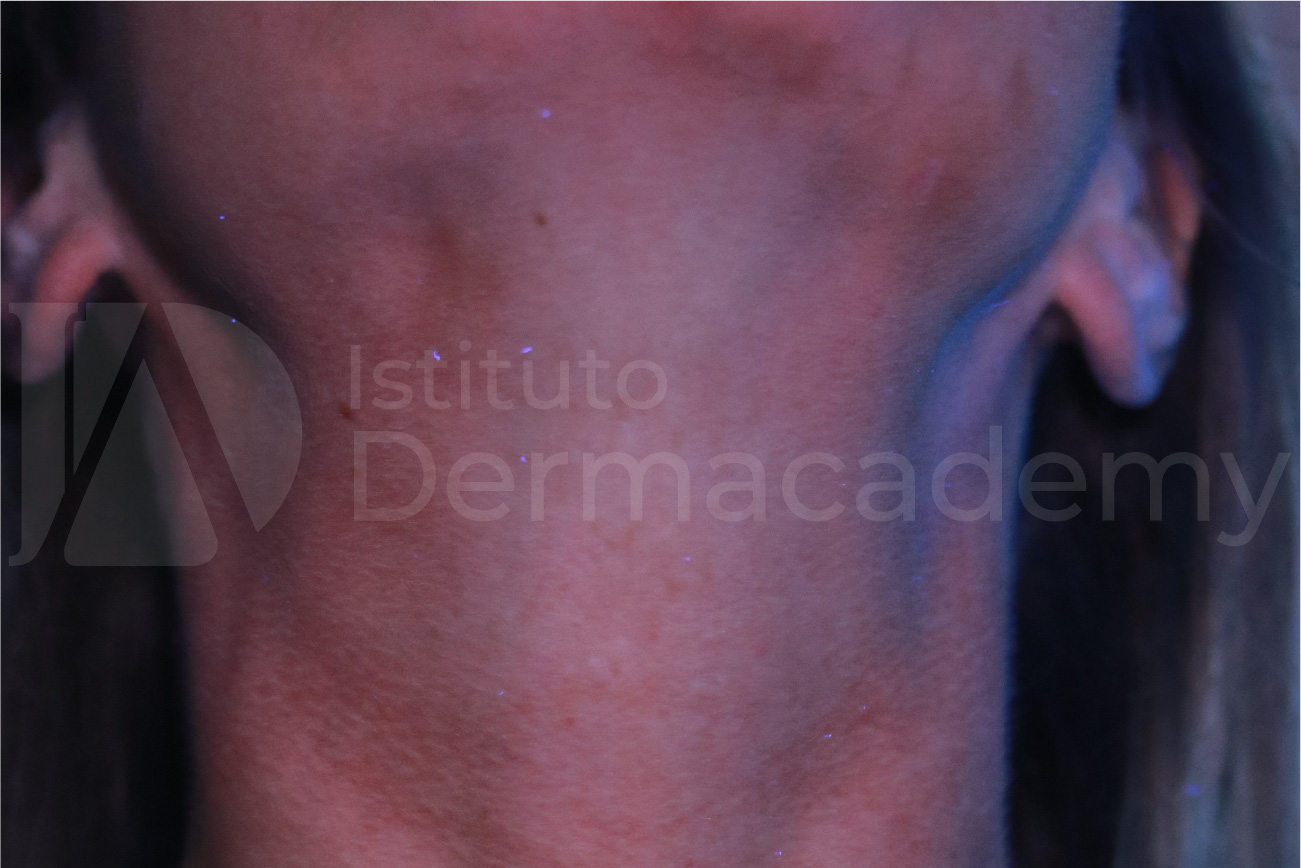
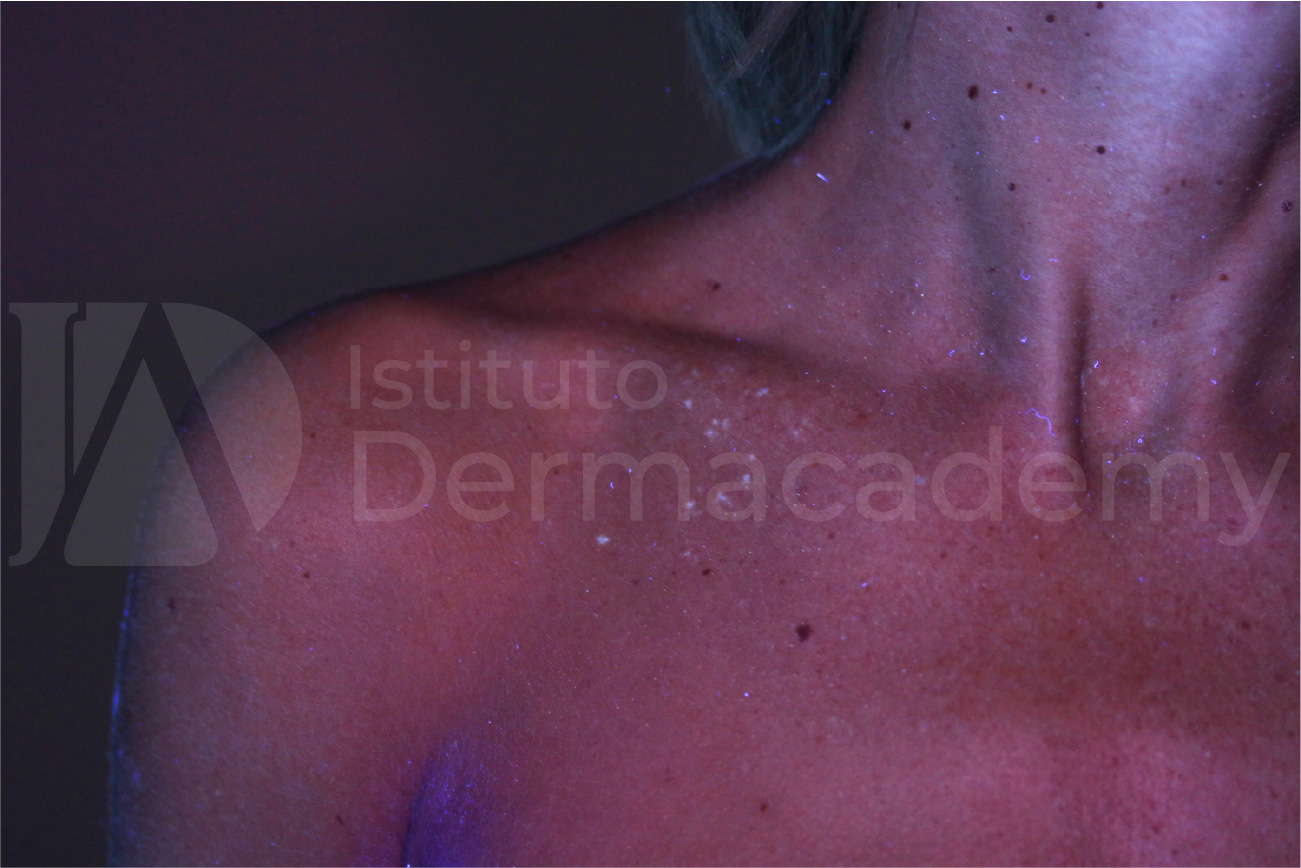
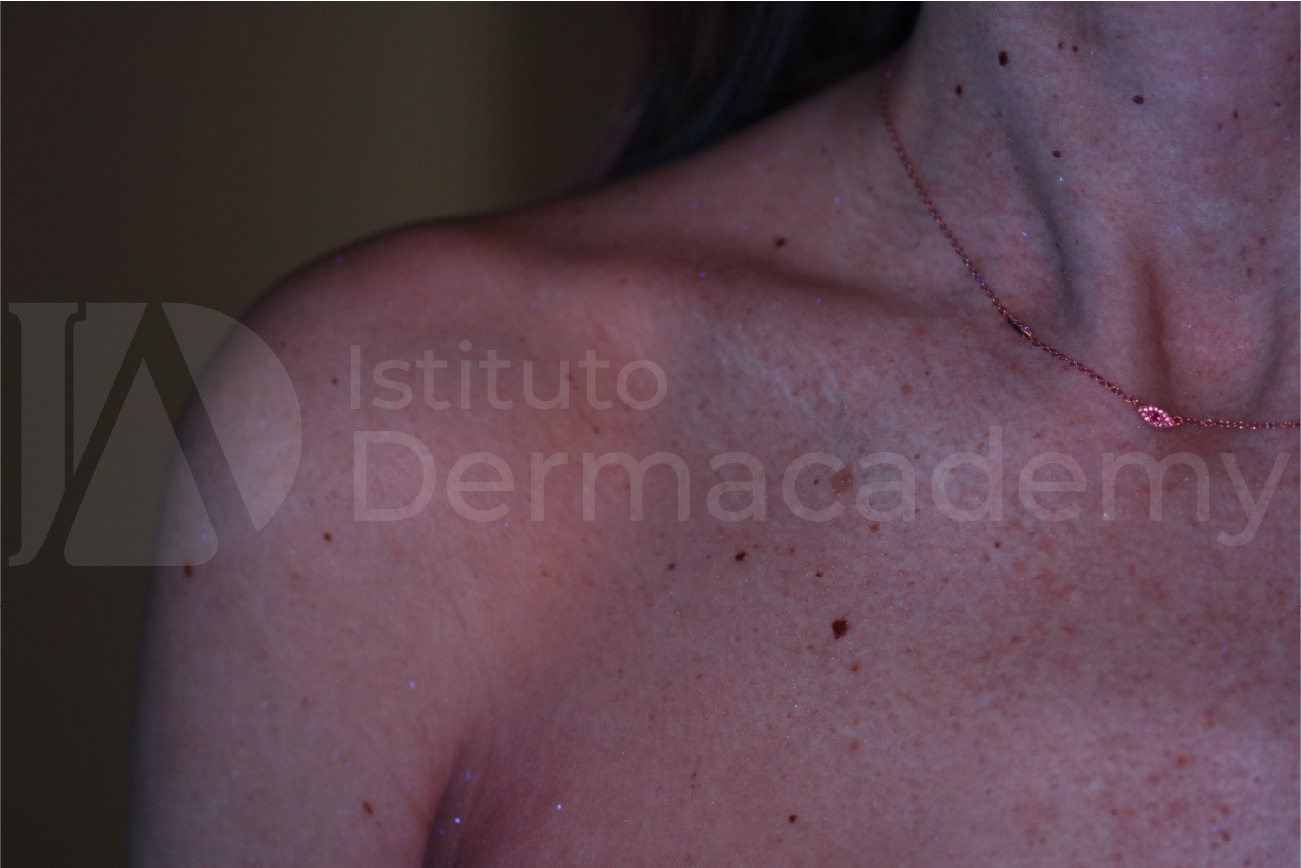
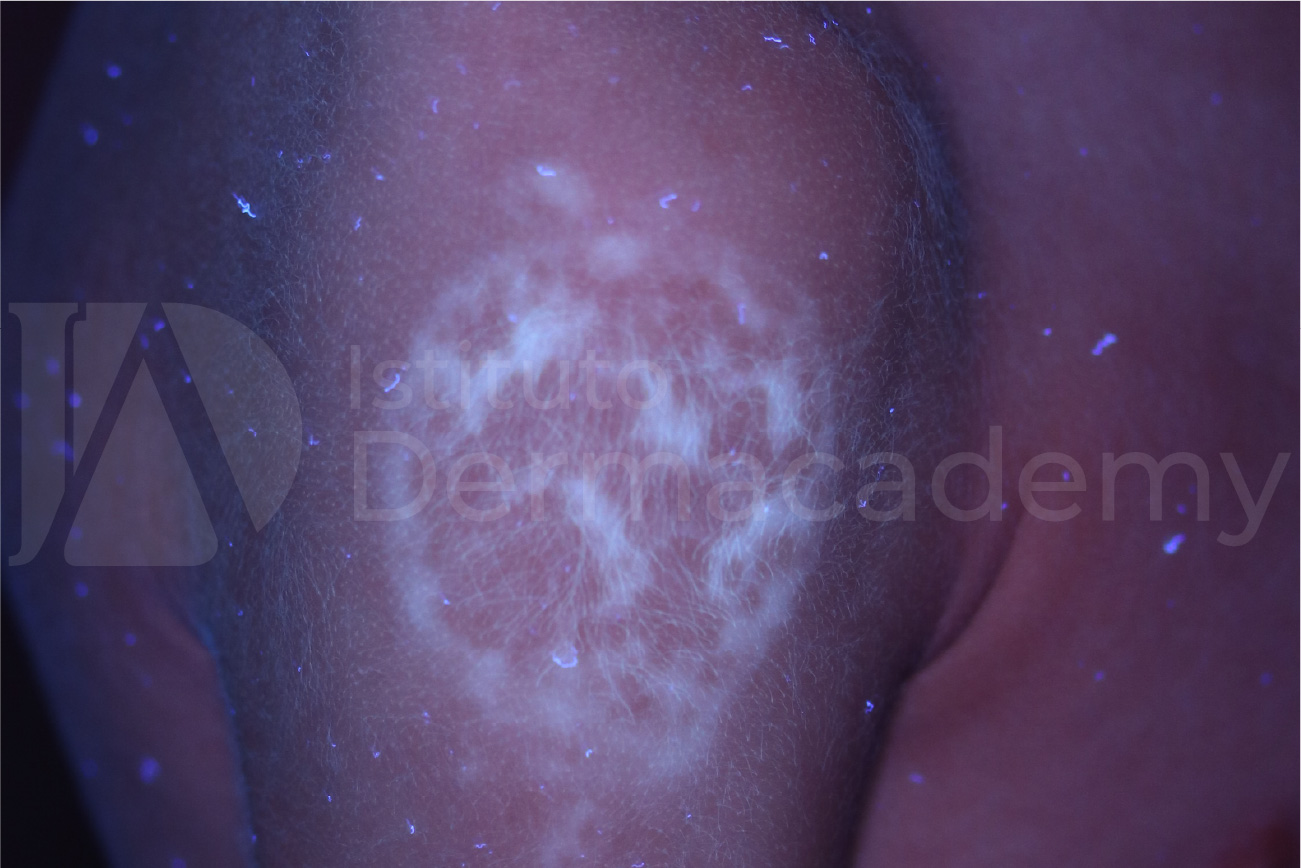
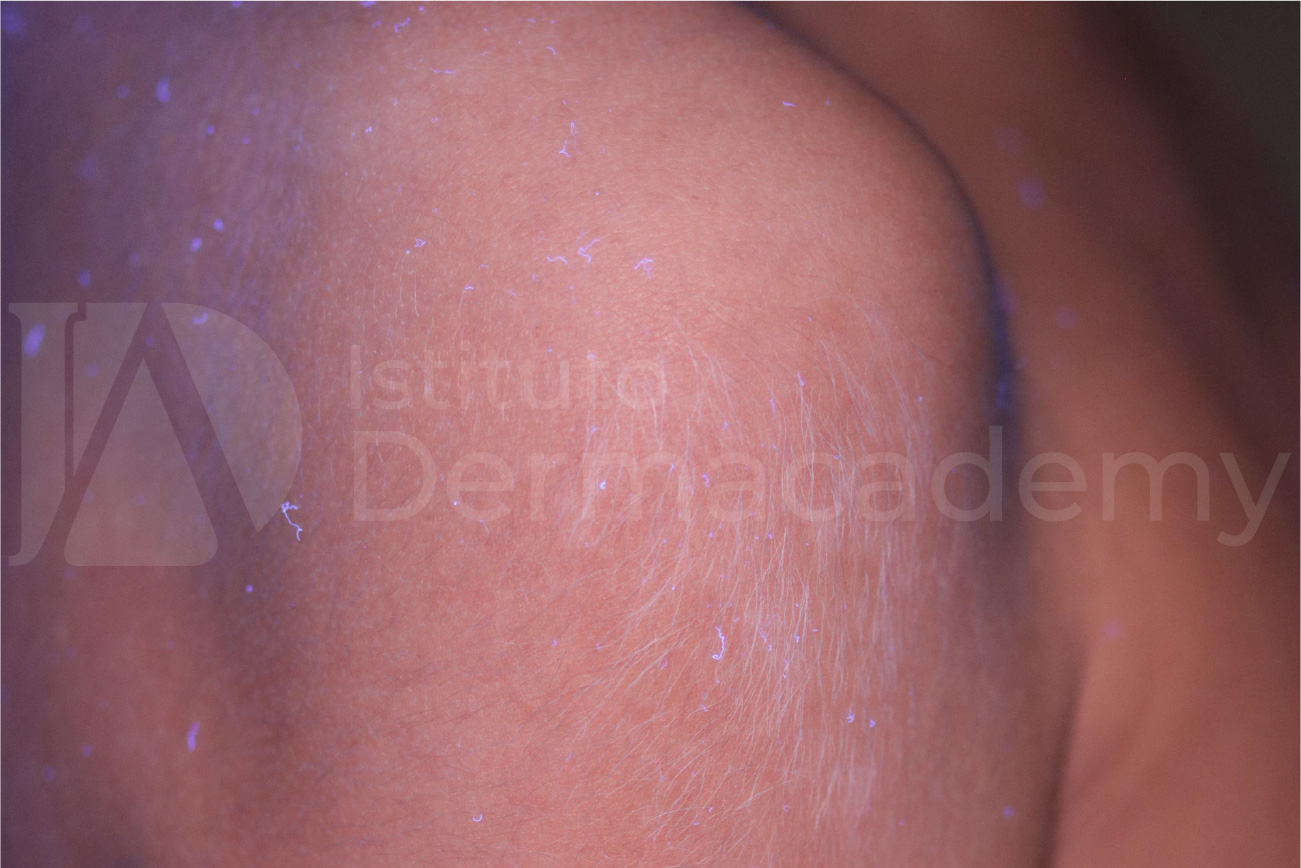
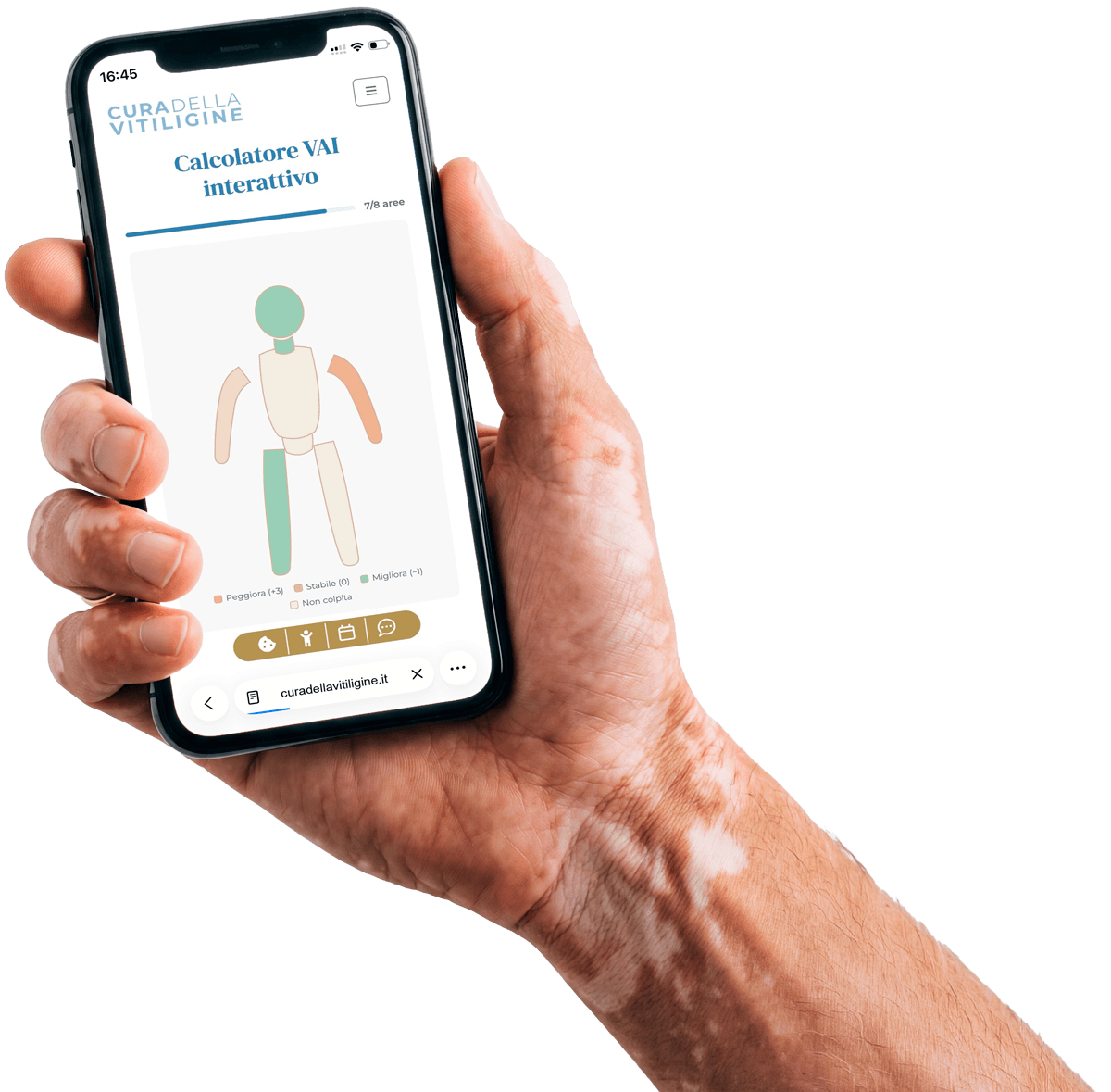
Clinical evaluation with VAI (Vitiligo Activity Index) and Wood’s lamp

Monitoring of disease activity with scientifically validated tools.

02

Correction of gastrointestinal dysfunctions

Dietary support and strategies to restore the integrity of the intestinal barrier.

03

Microbiota and Vitamin D3

Repopulation of the microbiota with selected strains and monitoring of vitamin D3 levels

04

Home-based narrowband UVB phototherapy

Daily, safe, and customizable treatment.

05

Targeted topical therapies

Immunomodulating molecules and melanocyte-stimulating agents, applied in synergy with the other strategies

ImmunoNova therefore stands out as an integrated and dynamic protocol, capable of adapting to the uniqueness of each patient, with the goal not only of treating visible vitiligo, but also of addressing the roots of the autoimmune process.

Results*

84% of patients with documented improvement

After 17 months
OR prima OR dopo
After 60 months
BV prima BV dopo
After 24 months
CI prima CI dopo
After 7 months
CM prima CM dopo
After 6 months
MC prima MC dopo
After 4 months
SV prima SV dopo
After 7 months
TC prima TC dopo
After 12 months
CC prima CC dopo
After 29 months
MC prima MC dopo
After 29 months
MC prima MC dopo
After 29 months
MK prima MK dopo
After 20 months
PM prima PM dopo
After 8 months
SR prima SR dopo
After 6 months
CG prima CG dopo
After 16 months
M prima M dopo
After 6 months
LF prima LF dopo
After 24 months
RS prima RS dopo

Data*

Immunonova
Controfasico
Topical Therapies Alone
Improvement
84%
Immunonova
70%
Controfasico
45%
Topical Therapies
Stable
10%
Immunonova
22%
Controfasico
36%
Topical Therapies
Worsening
6%
Immunonova
8%
Controfasico
19%
Topical Therapies
*data relating to the treatment of 4,136 patients followed over the last 8 years (26,532 vitiligo consultations with photographs, therapies, clinical progress, and treatment adherence evaluated)

ImmunoNova was born from the clinical experience gained with the Controfasico protocol, which for many years represented a reference point in the management of vitiligo.

That model made it possible to better understand the mechanisms of the disease and to introduce a structured method based on periodic monitoring and a less fragmented vision of treatment.
Over time, however, the need emerged to go further. Scientific research showed that vitiligo is not merely a skin manifestation, but the result of an alteration of the immune system often associated with intestinal dysfunctions, microbiota imbalances, and vitamin deficiencies.

From this awareness came ImmunoNova: a protocol that carries forward the legacy of Controfasico and integrates it with new scientific evidence, evolving from a predominantly local approach to a systemic strategy.
The development pathway followed three main directions:

  • Constant clinical observation: analysis of data collected from thousands of patients, with periodic reassessments through the VAI (Vitiligo Activity Index).
  • International scientific evidence: studies that confirmed the role of the microbiota, vitamin D3, and immunomodulatory therapies in the management of the disease.
  • Technological innovation: introduction of home-based narrowband UVB phototherapy, allowing patients to follow therapy daily with safety and continuity.

ImmunoNova is therefore the result of a path of research, experimentation, and continuous refinement, designed to offer patients a more effective, long-lasting, and personalized treatment.

ImmunoNova was created as the natural evolution of the Controfasico protocol, with the goal of offering patients not only a more comprehensive therapy, but also one more aligned with the latest scientific knowledge.

The clinical experience gained over years of work has shown that combating vitiligo requires more than acting locally on the skin: it requires a systemic vision, capable of considering the disease for what it truly is — a complex autoimmune condition.

The right therapy at the right time

Vitiligo does not follow a uniform course. There are phases in which the disease is active and others in which it tends to stabilize. ImmunoNova responds to this variability by adapting therapy to the patient’s clinical condition. Periodic monitoring with the VAI and Wood’s lamp makes it possible to determine whether the disease is progressing or stable, guiding therapeutic decisions:
Periodic monitoring with the Vitiligo Activity Index (VAI) and Wood’s lamp allows physicians to establish precisely whether the disease is progressing or stable. In this way, the doctor can choose the most appropriate intervention each time:

  • during active phases, treatments aimed at rebalancing the immune system,
  • during stable phases, strategies that stimulate repigmentation and consolidate results.

This adaptive approach makes it possible to provide each patient with the most effective therapy at the right time, promoting long-lasting clinical results.

ImmunoNova is an integrated therapeutic protocol developed as the evolution of the Controfasico approach, combining accurate diagnosis, systemic strategies, and targeted local therapies. Its goal is to treat vitiligo comprehensively, acting not only on the skin but also on the immune mechanisms underlying the disease.
The treatment pathway is structured around five fundamental pillars:

  1. Clinical evaluation with the VAI (Vitiligo Activity Index, an index that measures disease activity) and Wood’s lamp. Every patient is evaluated through objective tools that make it possible to determine whether vitiligo is in an active or stable phase.
  2. Correction of gastrointestinal dysfunctions: Intestinal well-being is an integral part of vitiligo management. Through a targeted dietary approach, efforts are made to restore the intestinal barrier and reduce systemic inflammation.
  3. Microbiota and Vitamin D3: Repopulation of the microbiota with specific strains and monitoring of vitamin D3 contribute to rebalancing the immune response and strengthening immune tolerance.
  4. Home-based narrowband UVB phototherapy: A daily, safe, and personalized therapy that uses narrowband phototherapy to stimulate repigmentation in a constant and controlled way.
  5. Targeted topical therapies: Application of immunomodulating molecules or melanocyte-stimulating agents which, in synergy with the other pillars, promote the return of skin pigmentation.

The integration of these elements allows ImmunoNova to adapt to the course of the disease and to offer a personalized therapeutic pathway, with results that are documentable and sustainable over time.

The ImmunoNova Protocol can only be prescribed by a physician with specific experience in the management of vitiligo.

At Dermacademy, the evaluation is carried out by the clinical team led by Dr. Giovanni Menchini, who is recognized as a European reference in the study and treatment of vitiligo.

The physician is responsible for:

  • determining the activity status of the disease through the VAI (Vitiligo Activity Index) and Wood’s lamp,
  • defining the most appropriate therapeutic pathway, choosing among the different components of the protocol,
  • monitoring results through periodic reassessments and adapting therapies according to clinical evolution,
  • ensuring that every phase of treatment is safe, personalized, and scientifically validated.

ImmunoNova is therefore not a set of treatments that can be independently replicated, but a structured medical protocol that requires specialist expertise and constant follow-up to ensure consistency, effectiveness, and long-term sustainability.

The phases of the protocol

The initial consultation

  • Consultation and medical history
  • Wood’s lamp
  • VAI evaluation
  • Therapy prescription
  • Blood tests
  • USB drive

Therapy

The Institute prescribes the probiotics best suited to the patient’s gastrointestinal function and the most appropriate for the treatment of autoimmunity.
Supported by phototherapy and topical therapies.

Wait a moment

Cura della vitiligine
Offline