
Vitiligo and Pityriasis Versicolor: Let’s Clear Things Up
The appearance of white spots on the skin is a symptom that can be associated with several conditions. Due to the similarity in their manifestation, Vitiligo and Pityriasis are often confused, although they are actually very different disorders that require different treatment approaches. It is therefore important to distinguish between the two and clarify what these conditions may involve.
What are the causes of Vitiligo and Pityriasis?
These two skin conditions differ radically starting from their origin. In fact, Vitiligo is a condition linked to an autoimmune process. The white spots (local hypopigmentation) on the skin are caused by the disappearance of melanin pigment, the substance that gives our skin its natural color. Vitiligo specifically attacks the cells responsible for producing melanin. This type of manifestation is not connected to other alterations in health or physical condition. Although patients affected by vitiligo may show defects involving melanin also present in other organs, such as the retina or cochlea (ear), these do not affect the functions of the organs involved. According to some studies, vitiligo is considered a genetic disease; however, this hypothesis has never been fully confirmed. While in 30% of cases it is possible to identify a relative affected by vitiligo within the first two degrees of kinship, in the remaining 70% of cases this condition does not occur.
Pityriasis Versicolor, on the other hand, is a fungal infection caused by the fungus Pityrosporum orbiculare, an organism that is physiologically present on our skin and usually does not cause any disturbance. In the presence of excessive sebum production or genetic factors, a weakening of the immune defenses may occur. In this way, the fungus can become aggressive and block melanin production, causing the appearance of light-colored patches generally located on the neck, chest, and back. The color of the spots may vary from pink to beige and brownish shades, which is precisely where the name versicolor comes from.
Are Vitiligo and Pityriasis contagious?
Although they are so different, these skin disorders share one thing in common: both are not contagious. Vitiligo is neither a contagious nor painful disease, although the spots may sometimes be accompanied by itching. As for Pityriasis, it is a skin infection that is not transmissible and does not lead to serious clinical consequences. However, both conditions can cause psychological discomfort related to what is perceived as a particularly bothersome aesthetic issue.
What are the treatments for Vitiligo and Pityriasis Versicolor?
A dermatological examination is necessary in order to correctly identify the condition. A professional will be able to distinguish pityriasis from vitiligo, especially based on the appearance of the patches.
The spots caused by vitiligo are in fact large, milk-white in color, and also appear on the hands and feet, while those caused by pityriasis are rounder and more faded.
Pityriasis is treated with antifungal medications, either taken orally or applied as sprays or creams over the entire affected area.
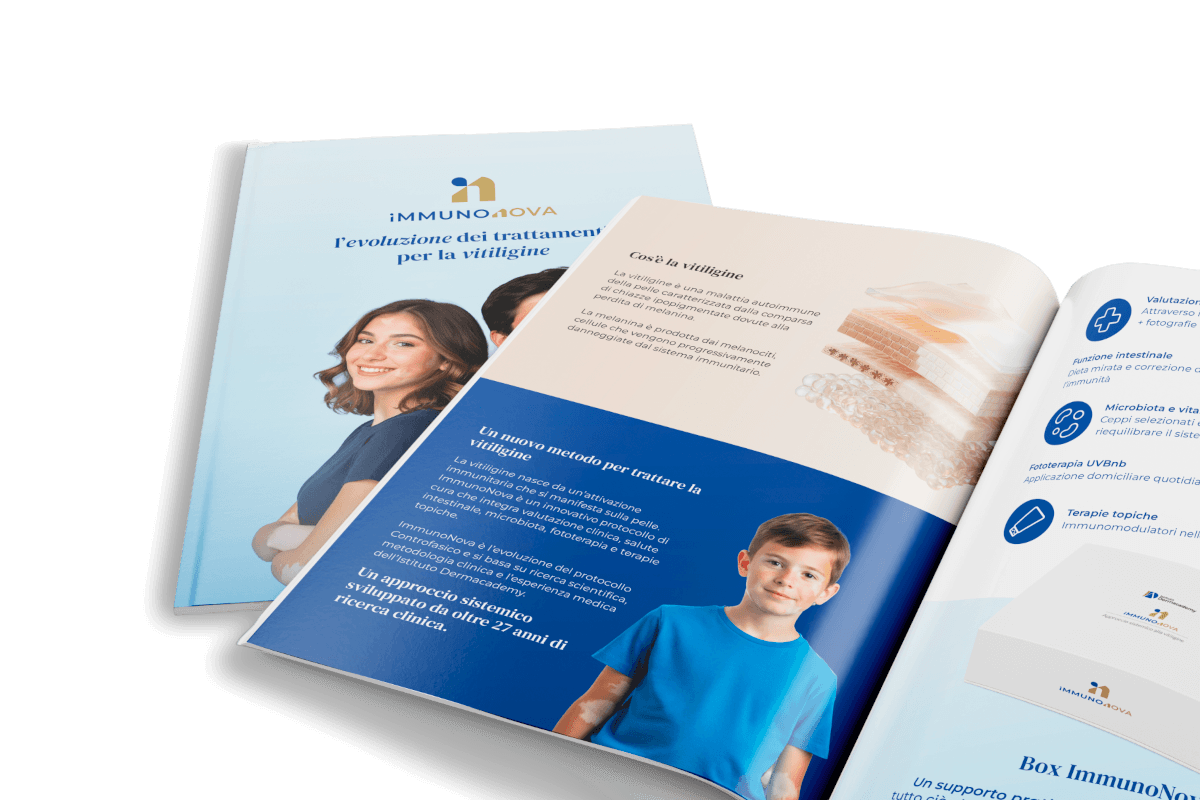
Vitiligo, on the other hand, was long considered a condition that was difficult to treat. However, through an extensive research path developed in the two directions of skin analysis and the immune system, increasingly effective therapeutic protocols have been developed, capable of better regulating the immune response and interrupting the autoimmune attack, which causes the appearance of the characteristic patches of vitiligo, while simultaneously inducing the production of new melanocytes. From this approach, the Counterphasic Protocol was created, an innovative therapeutic method for the treatment of vitiligo, conceived and developed by Dr. Giovanni Menchini and his team over more than 20 years of studies and direct experience with more than 12,000 patients. A system that is currently unanimously recognized as the most effective weapon in the treatment of vitiligo and is cited in numerous scientific publications and conference presentations.
Author: Dr. Giovanni Menchini