
Home UVB-NB Phototherapy: How It Works, How It Is Performed, and Why We Prefer It
Home-based narrowband UVB phototherapy for vitiligo: complete guide
Narrowband UVB phototherapy (UVBnb) is currently one of the most widely used treatments in the management of vitiligo. Numerous clinical studies have shown that this technology can stimulate skin repigmentation and contribute to controlling the autoimmune activity of the disease.
Traditionally, phototherapy is performed in dermatology clinics. However, in recent years the use of medical devices for home-based phototherapy has become increasingly widespread, allowing patients to carry out treatment directly at home under medical supervision.
This approach makes it possible to maintain therapeutic continuity over time, an essential element in the treatment of vitiligo.
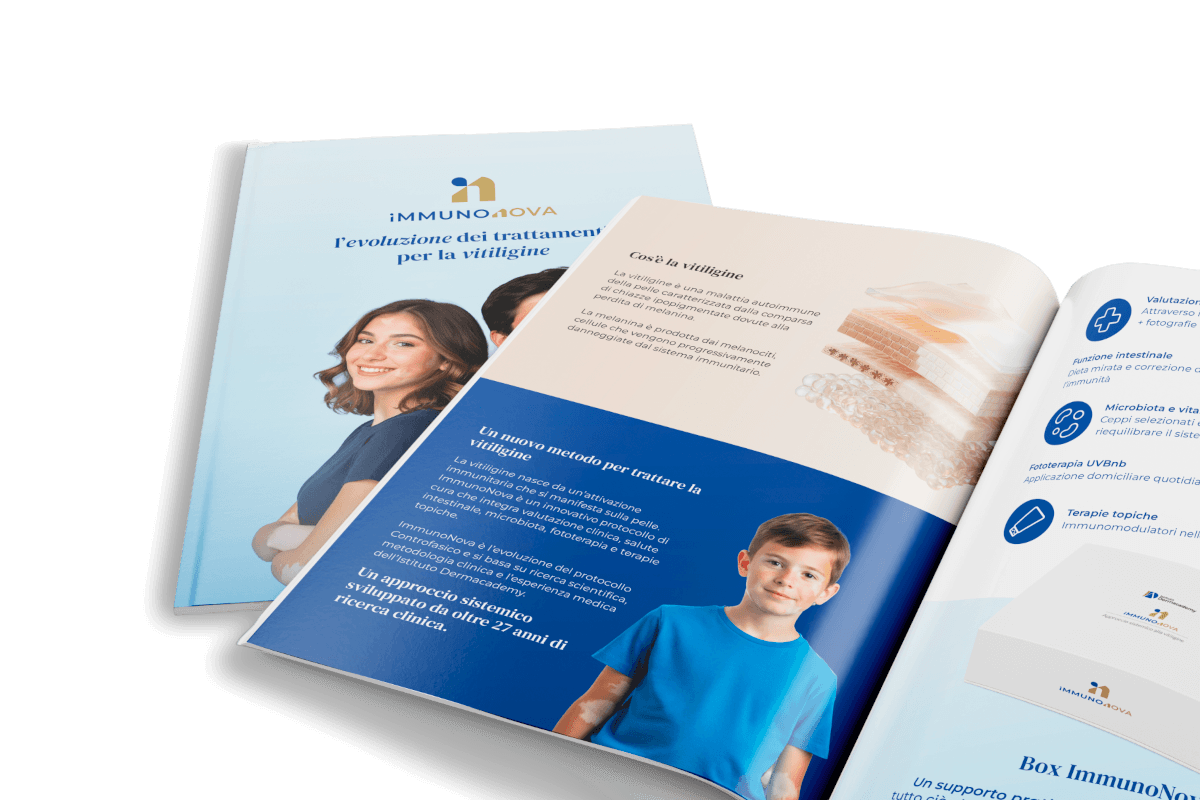
[IMAGE 1 – UVBnb phototherapy device used at home]
What UVBnb phototherapy is
UVBnb phototherapy uses ultraviolet radiation with a wavelength of 311–313 nanometers, considered the most effective in treating inflammatory skin diseases.
This specific band of the ultraviolet spectrum has been shown to:
-
reduce cutaneous autoimmune activity
-
stimulate the proliferation of residual melanocytes
-
promote melanin production in depigmented areas.
The treatment consists of controlled exposure of the skin to UVBnb light for progressively calibrated times.
How phototherapy acts in vitiligo
UVBnb light acts through several biological mechanisms.
Among the main observed effects:
-
reduction of autoreactive T lymphocyte activity in the skin
-
increased survival of melanocytes
-
stimulation of melanocyte migration from hair follicles toward depigmented areas.
This process gradually leads to the repigmentation of vitiligo patches.
The first signs of repigmentation often appear as small pigmented dots around the hair follicles, which gradually expand.
[IMAGE 2 – example of perifollicular repigmentation in vitiligo]
Home-based phototherapy: when it is indicated
Home-based phototherapy may be indicated in several clinical cases:
-
stable or slowly progressive vitiligo
-
patients who require prolonged treatments
-
difficulty attending frequent clinic appointments
-
need to maintain therapeutic continuity over time.
Home treatment must always be set up by a dermatologist, who defines:
-
the initial exposure dose
-
the frequency of sessions
-
progressive increases in treatment time.
How many phototherapy sessions are needed
UVBnb phototherapy is a progressive and cumulative treatment.
In general, the protocol includes:
-
2–3 sessions per week
-
therapeutic cycles lasting several months.
The first results may appear after a few weeks, but significant repigmentation often requires 3–6 months of consistent treatment.
For this reason, the possibility of performing therapy at home can greatly facilitate adherence to the treatment pathway.
Advantages of home-based phototherapy
Using UVBnb devices at home offers several practical advantages:
-
greater therapeutic continuity
-
reduction of travel to the clinic
-
possibility of carrying out sessions more regularly
-
better integration with other dermatological therapies.
For many patients, home-based therapy represents an effective way to maintain treatment in the long term.
Safety of phototherapy at home
When properly set up, UVBnb phototherapy is considered a safe treatment.
The main side effects may include:
-
temporary skin redness
-
sensation of warmth in the treated areas
-
skin dryness.
To reduce risks, it is important to:
-
respect the prescribed exposure times
-
protect areas not affected by vitiligo
-
attend periodic dermatological follow-ups.
Medical supervision always remains essential.
Phototherapy and combined therapies
In clinical practice, phototherapy is often combined with other treatments to increase the overall effectiveness of the therapeutic pathway.
Among the most commonly used combinations:
-
UVBnb phototherapy + topical therapies
-
phototherapy + immune system modulation
-
phototherapy + strategies targeting the gut microbiota.
This integrated approach makes it possible to act on multiple levels of the autoimmune disease.
[IMAGE 3 – integrated therapeutic scheme in vitiligo]
Conclusion: an effective treatment when used correctly
UVBnb phototherapy represents one of the pillars in the treatment of vitiligo.
The possibility of carrying out treatment at home, with specific medical devices and under dermatological supervision, makes it possible to maintain therapeutic continuity over time.
As with all vitiligo therapies, effectiveness depends on several factors:
-
disease activity
-
duration of the lesions
-
location of the patches
-
regularity of treatment.
A personalized approach therefore remains essential to achieve the best results.
Author: Dr. Giovanni Menchini